
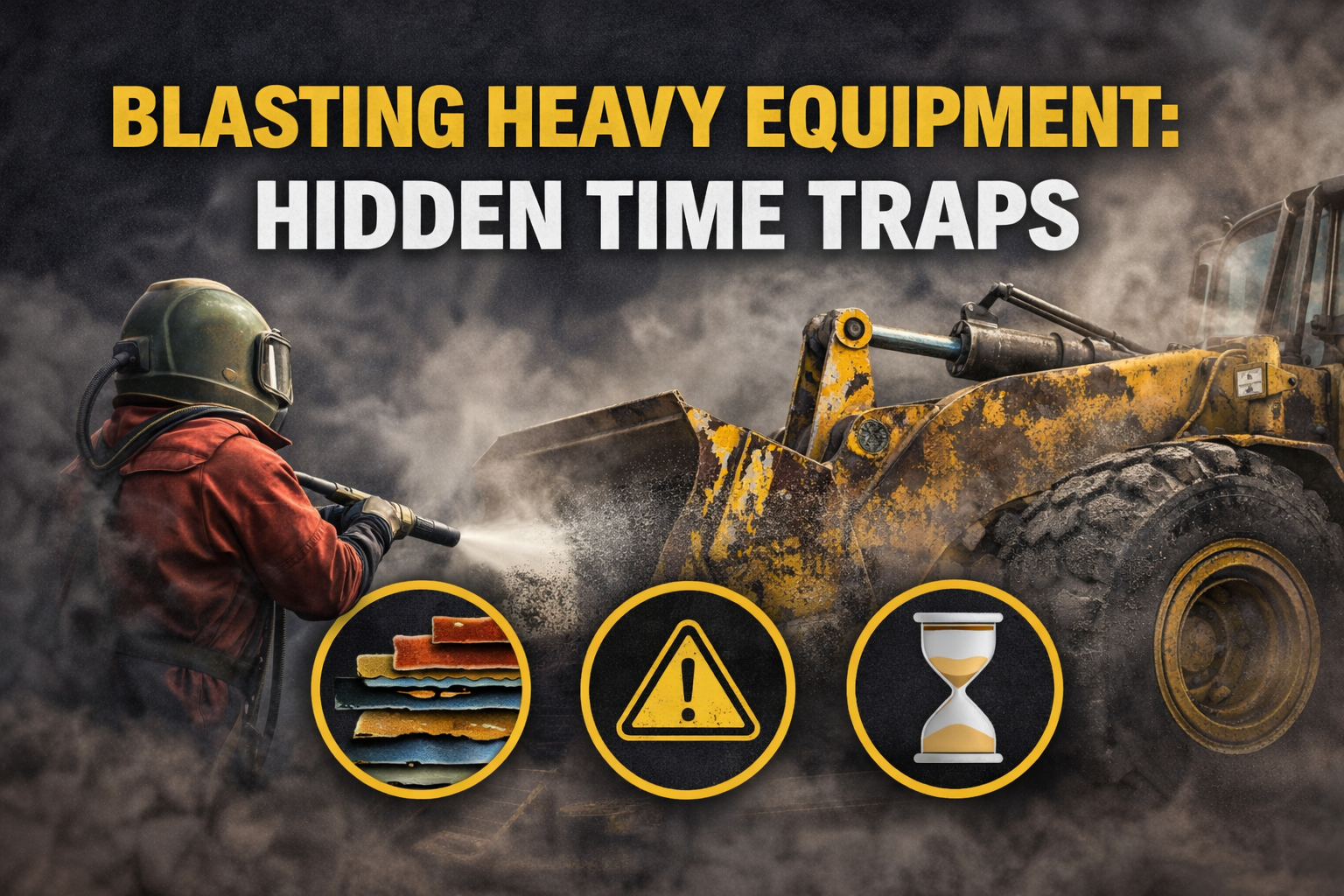
Blasting Heavy Equipment: Hidden Time Traps
Heavy equipment looks simple until blasting begins. Learn where time is really lost when blasting loaders, dozers, and industrial machines, and why these jobs take longer than expected.
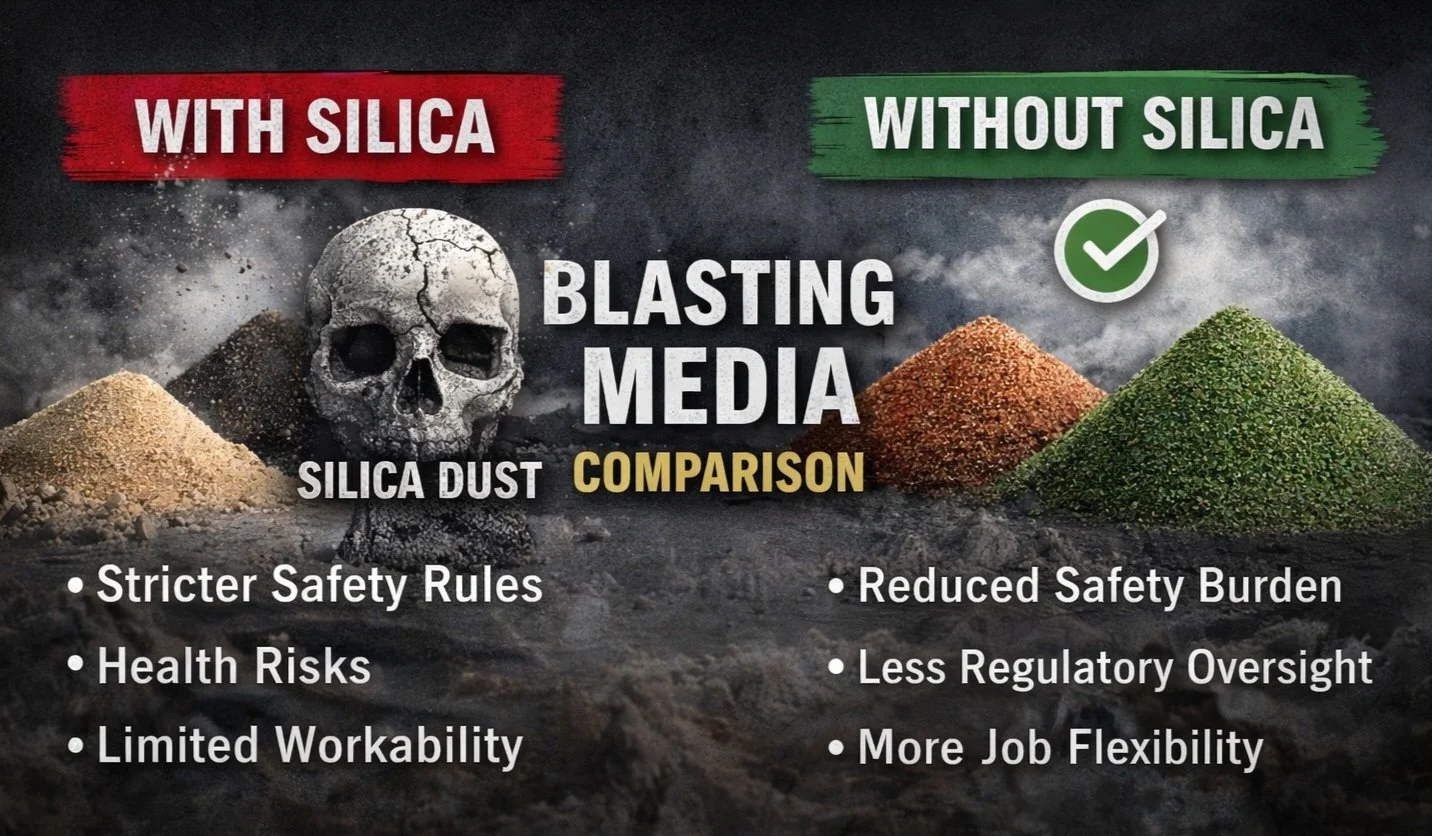
Blasting Media with Silica vs Without: What the Difference Really Means
Silica is not just “dust.” It’s a specific mineral found in some blasting media that creates serious health and regulatory risks. Learn what silica actually is, which media contain it, and why it matters on a job site.
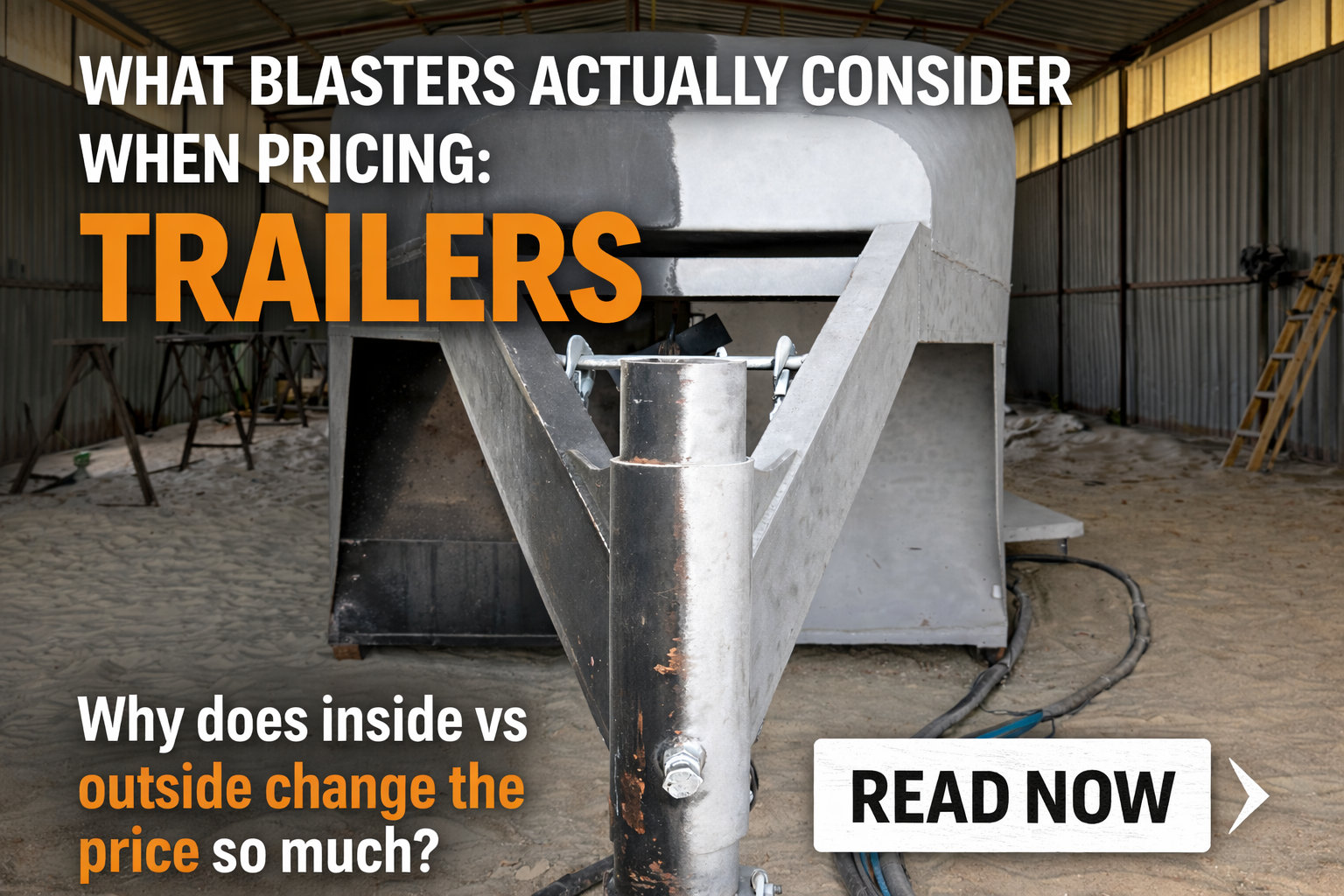
What Blasters Actually Consider When Pricing: Trailers
Trailer blasting isn’t priced by square footage alone. Learn what blasters actually factor in when quoting trailer jobs and why inside and outside work can cost very different amounts.
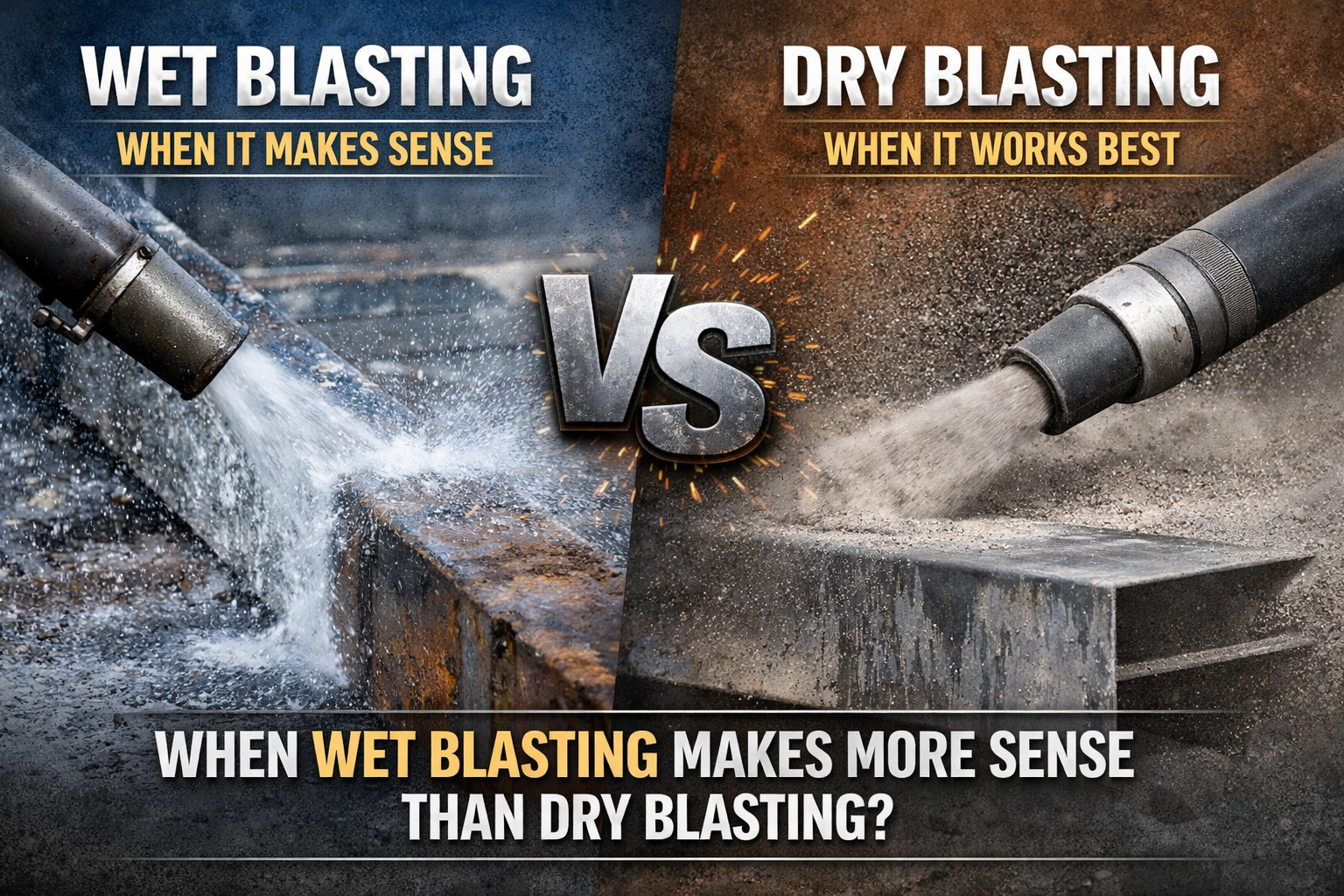
When Wet Blasting Makes More Sense Than Dry Blasting
Wet blasting isn’t better or worse than dry blasting. It’s a situational tool. Learn when wet blasting makes more sense, what problems it solves, and where it creates tradeoffs.
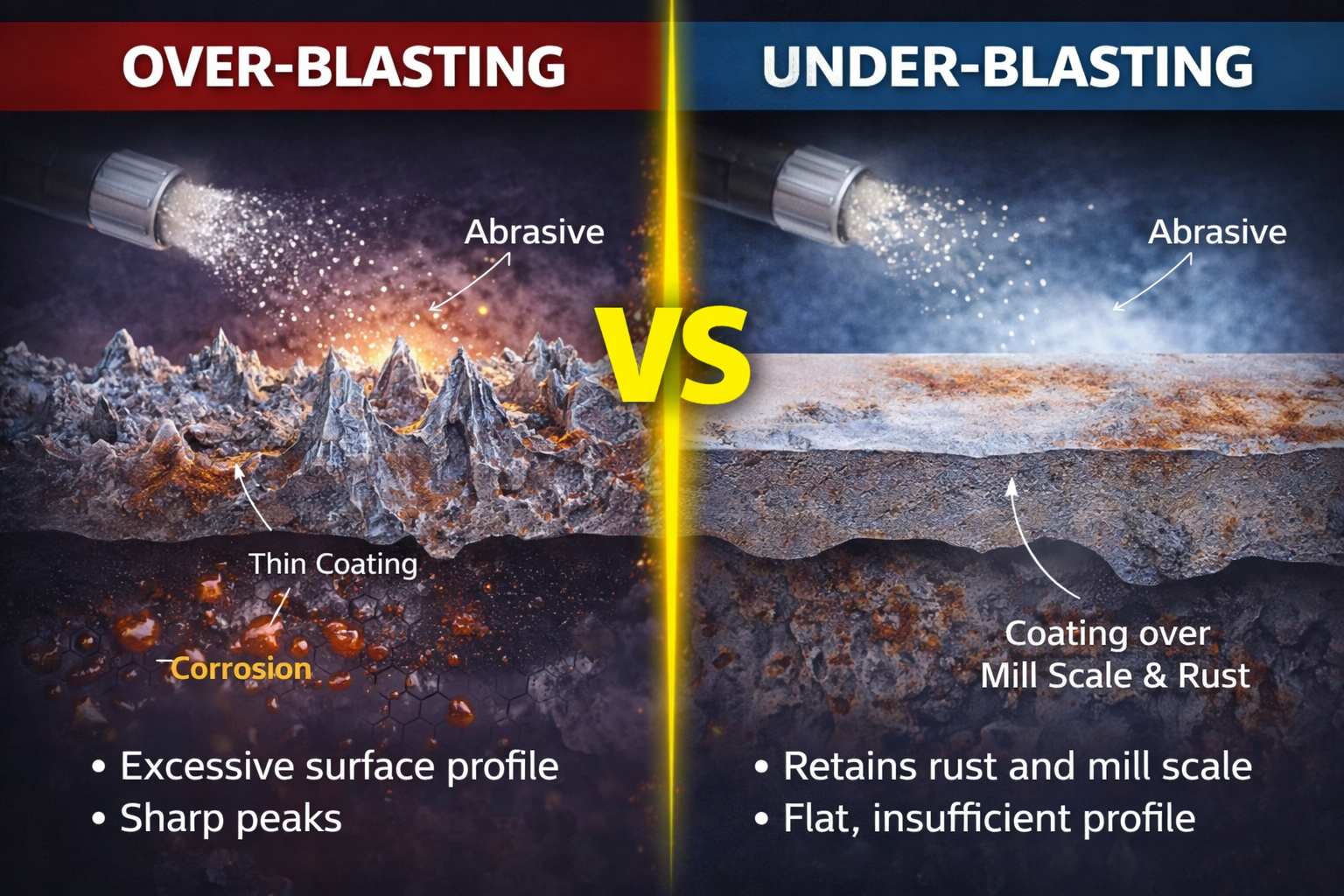
Over-Blasting vs Under-Blasting: How Both Shorten Coating Life
Over-blasting and under-blasting cause different problems, but they lead to the same result: shorter coating life. Here’s how each failure starts and why neither is harmless.
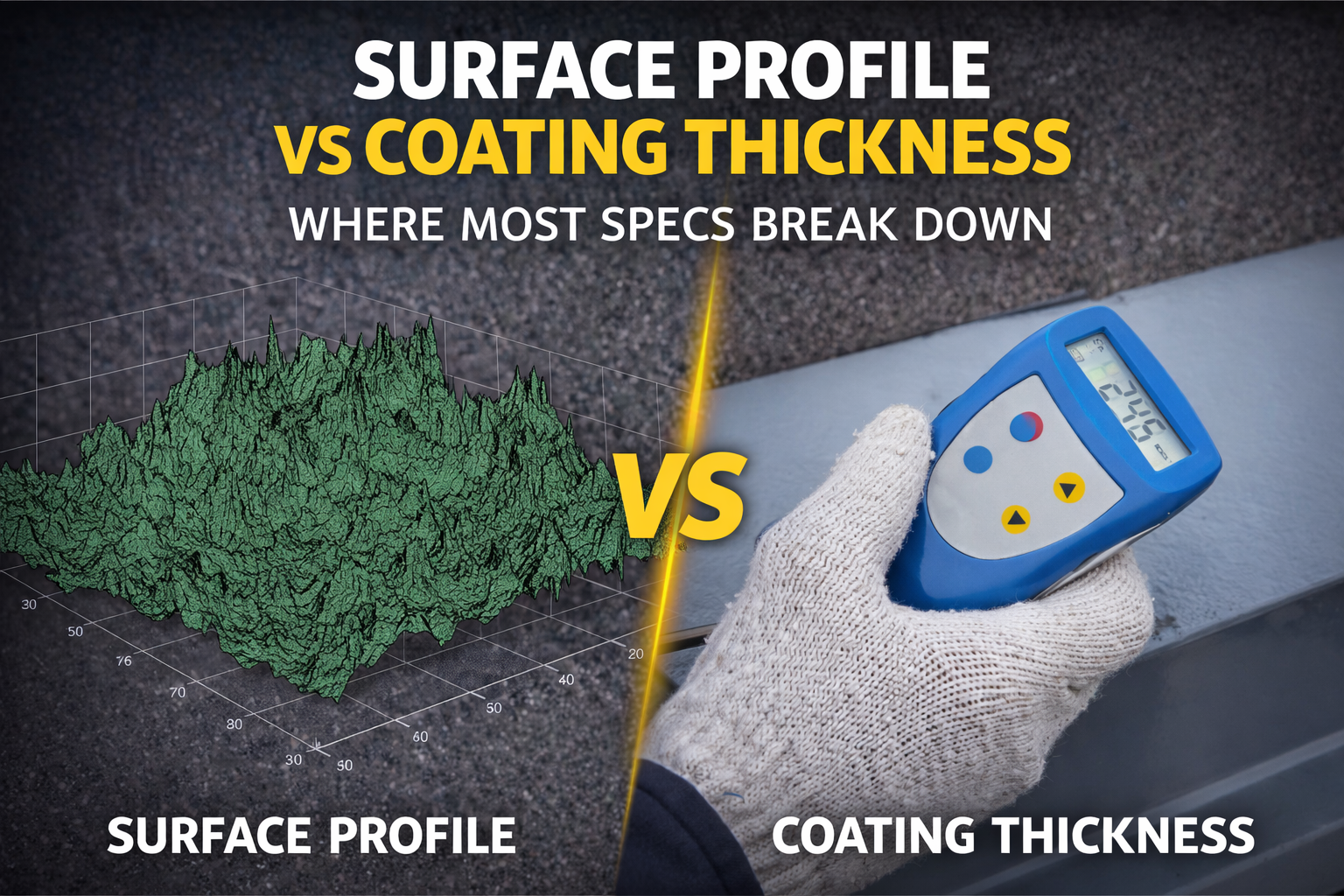
Surface Profile vs Coating Thickness: Where Most Specs Break Down
Surface profile and coating thickness must work together. Learn where specs fall short and how mismatches lead to early coating failure.
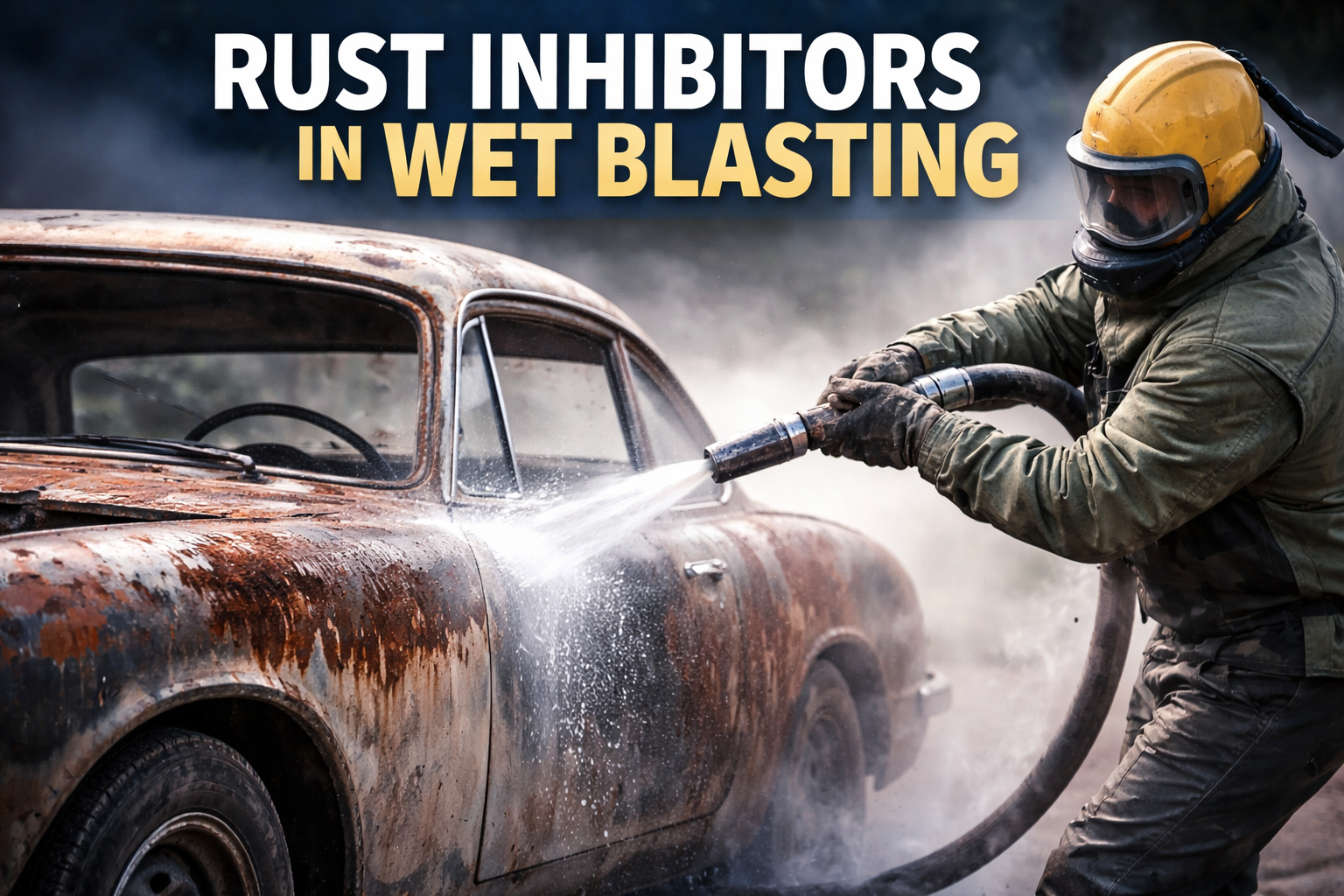
Rust Inhibitors in Wet Blasting: What They Do, What They Don’t, and Where They Fail
Rust inhibitors can slow flash rust after wet blasting, but they don’t stop corrosion. Learn what they do, where they fail, and how professionals use them.
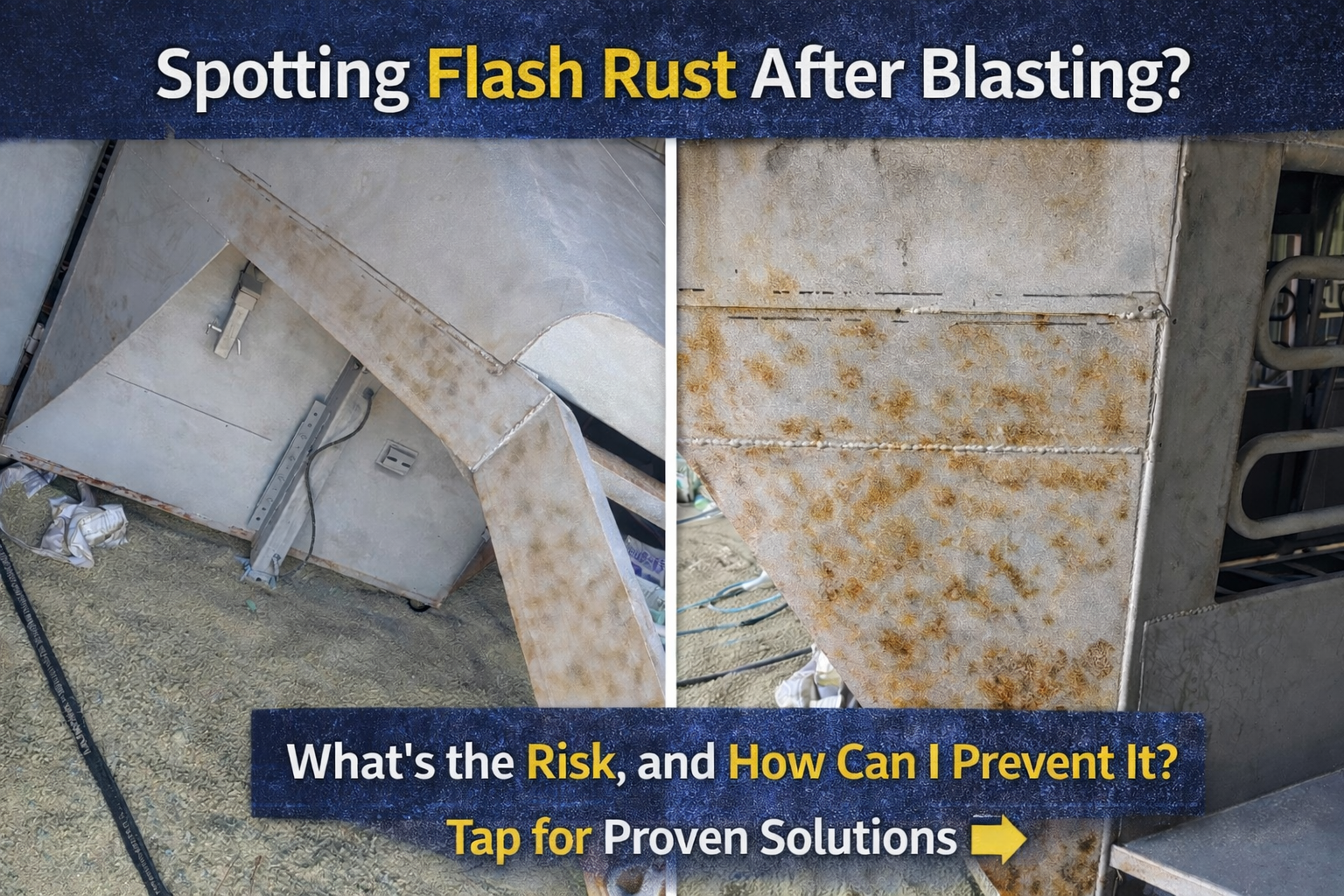
What Causes Flash Rust and How to Prevent It
Flash rust can appear within hours after blasting. Learn what causes it, why it happens so fast, and how to reduce the risk before painting.
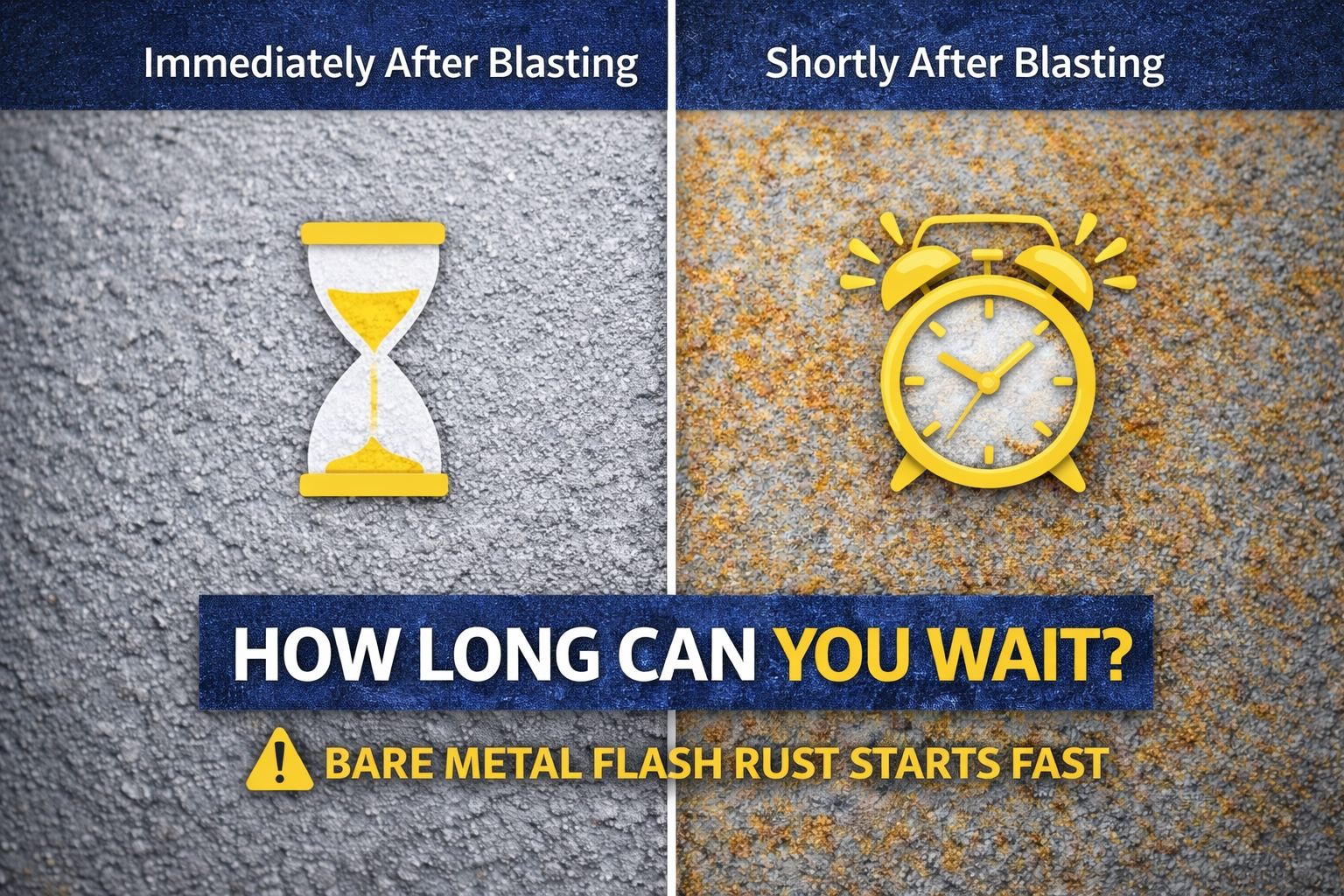
How Long Can Bare Metal Sit Before Painting?
Bare metal begins reacting with air and moisture immediately. Learn how long metal can sit after blasting before painting and how to avoid flash rust.
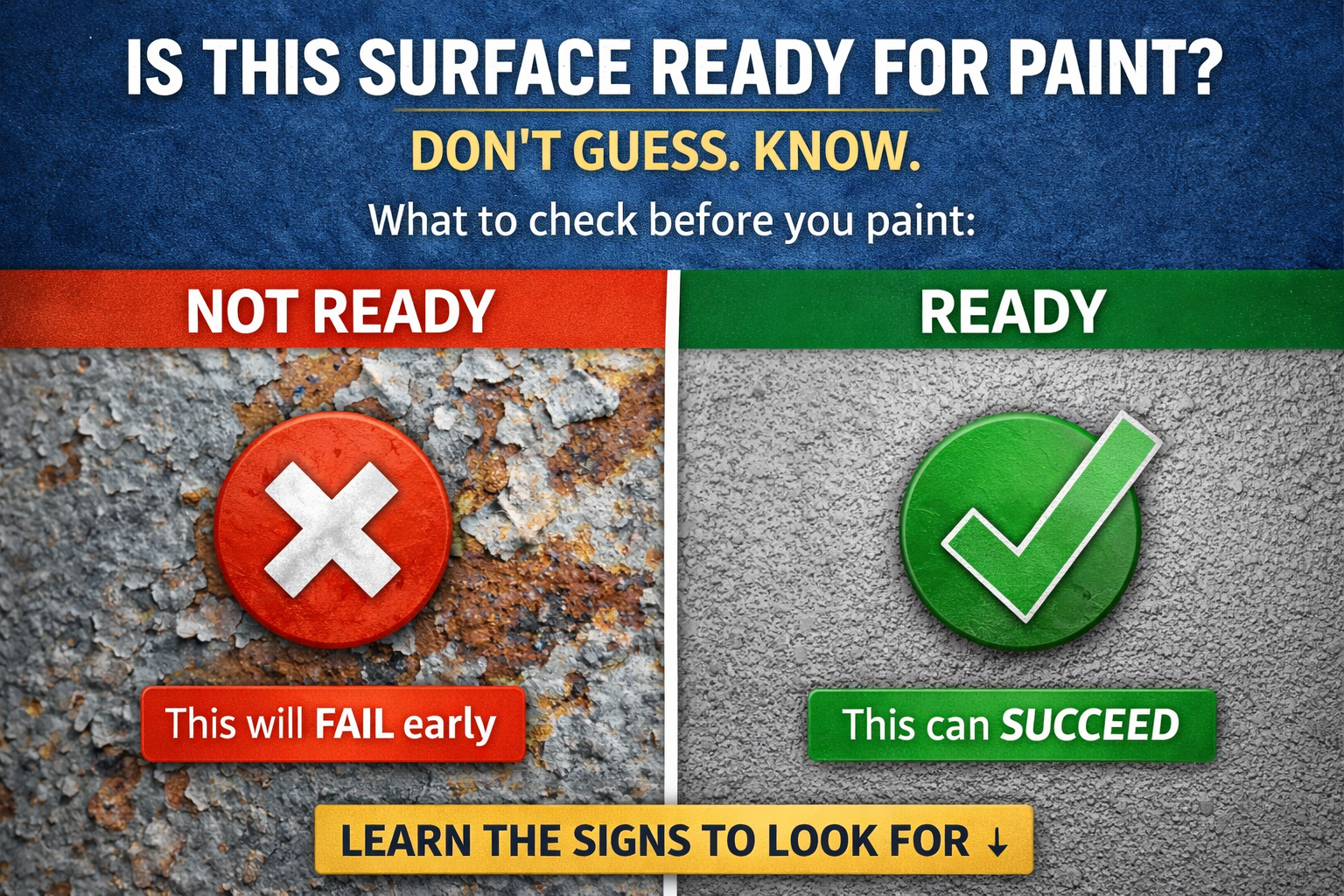
How to Tell If a Surface Is Ready for Paint
What Surface Prep Level Do You Actually Need? | Can Be Done Mobile Blasting — Can Be Done Mobile Blasting
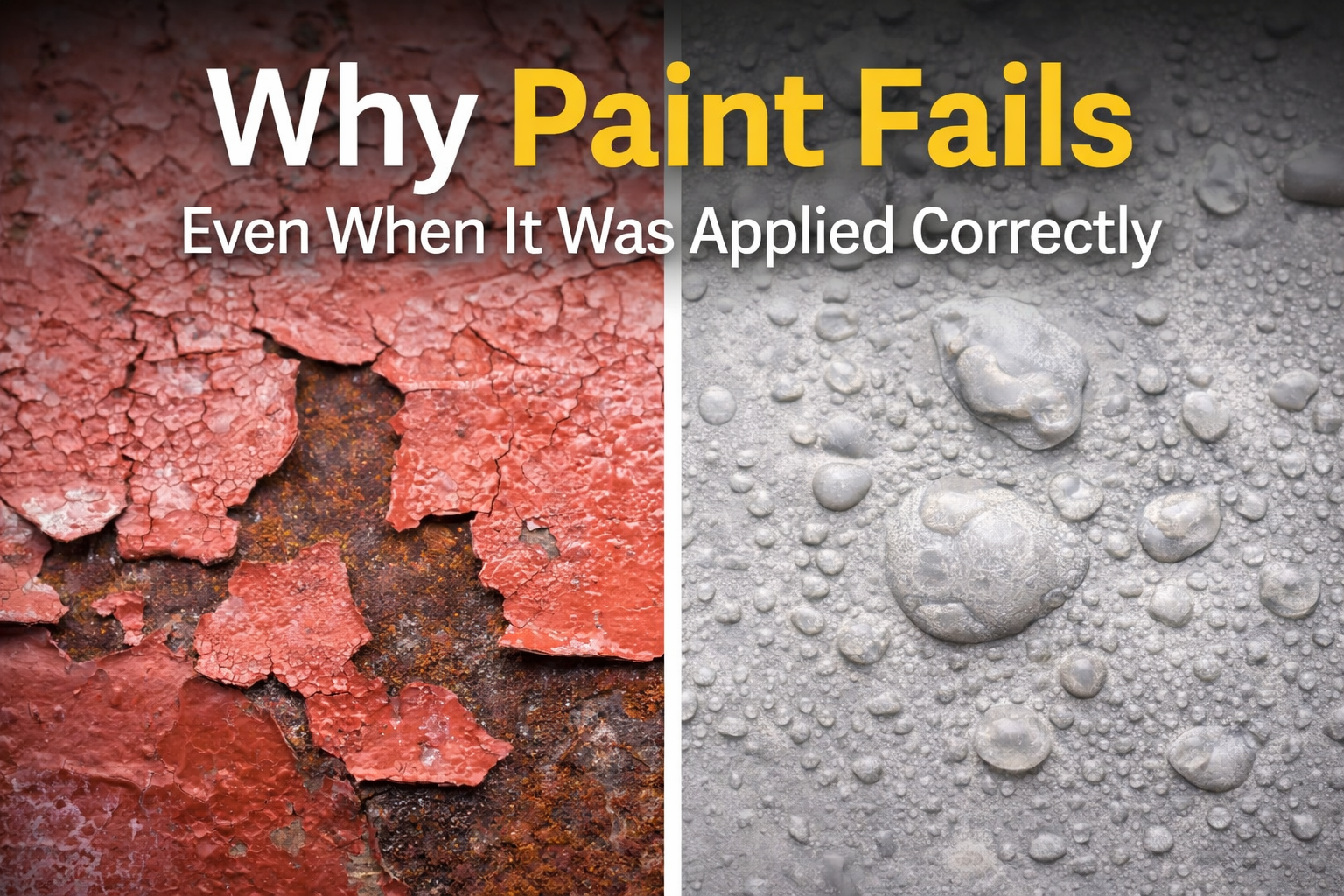
Why Paint Fails (Even When It Was Applied Correctly)
Paint often fails because of poor surface preparation, not bad paint. Learn the real reasons coatings peel, bubble, and flake.
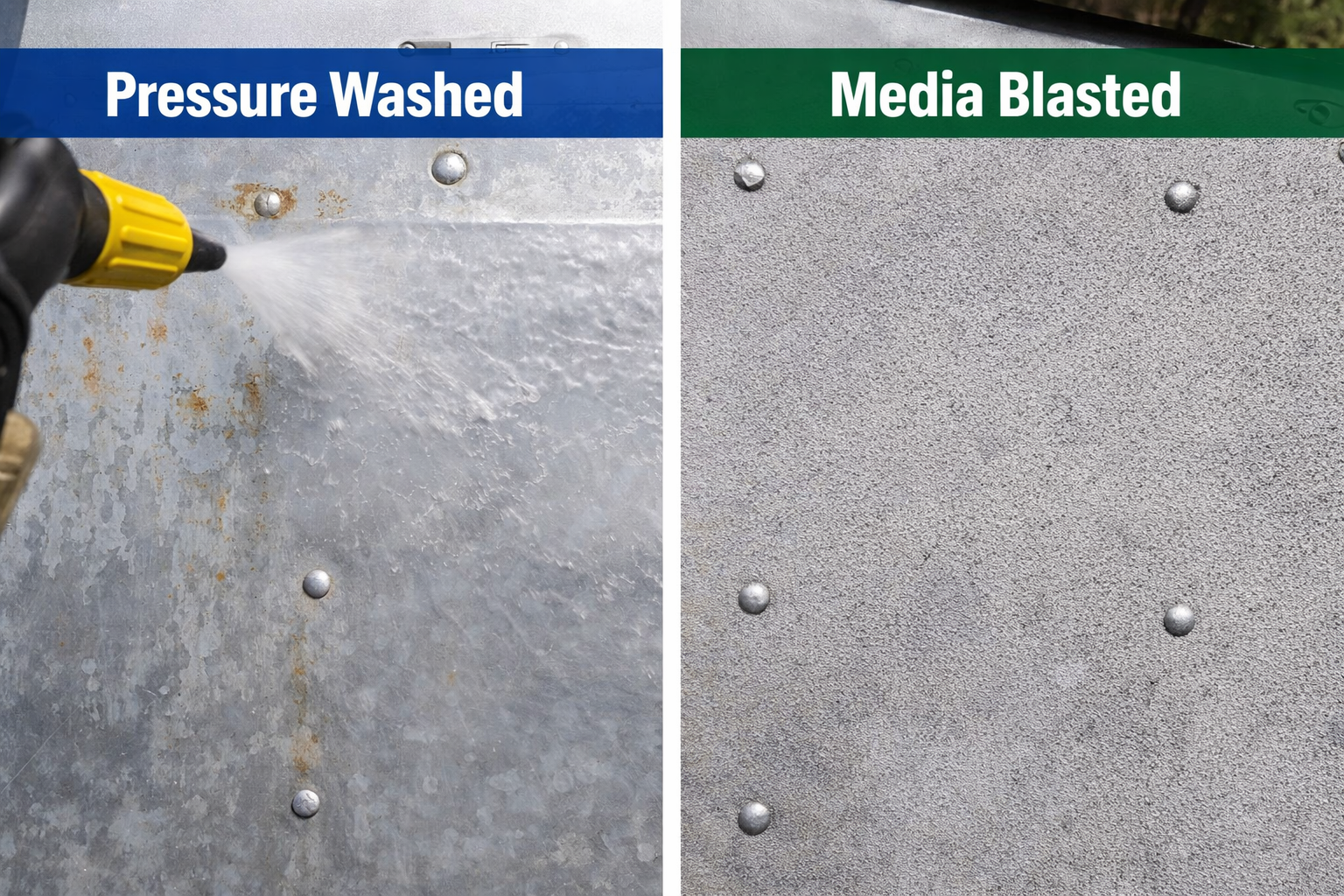
Why Pressure Washing Is Not Surface Preparation
Pressure washing cleans surfaces, but it does not prepare them for paint. Learn why surface texture matters and when media blasting is required.
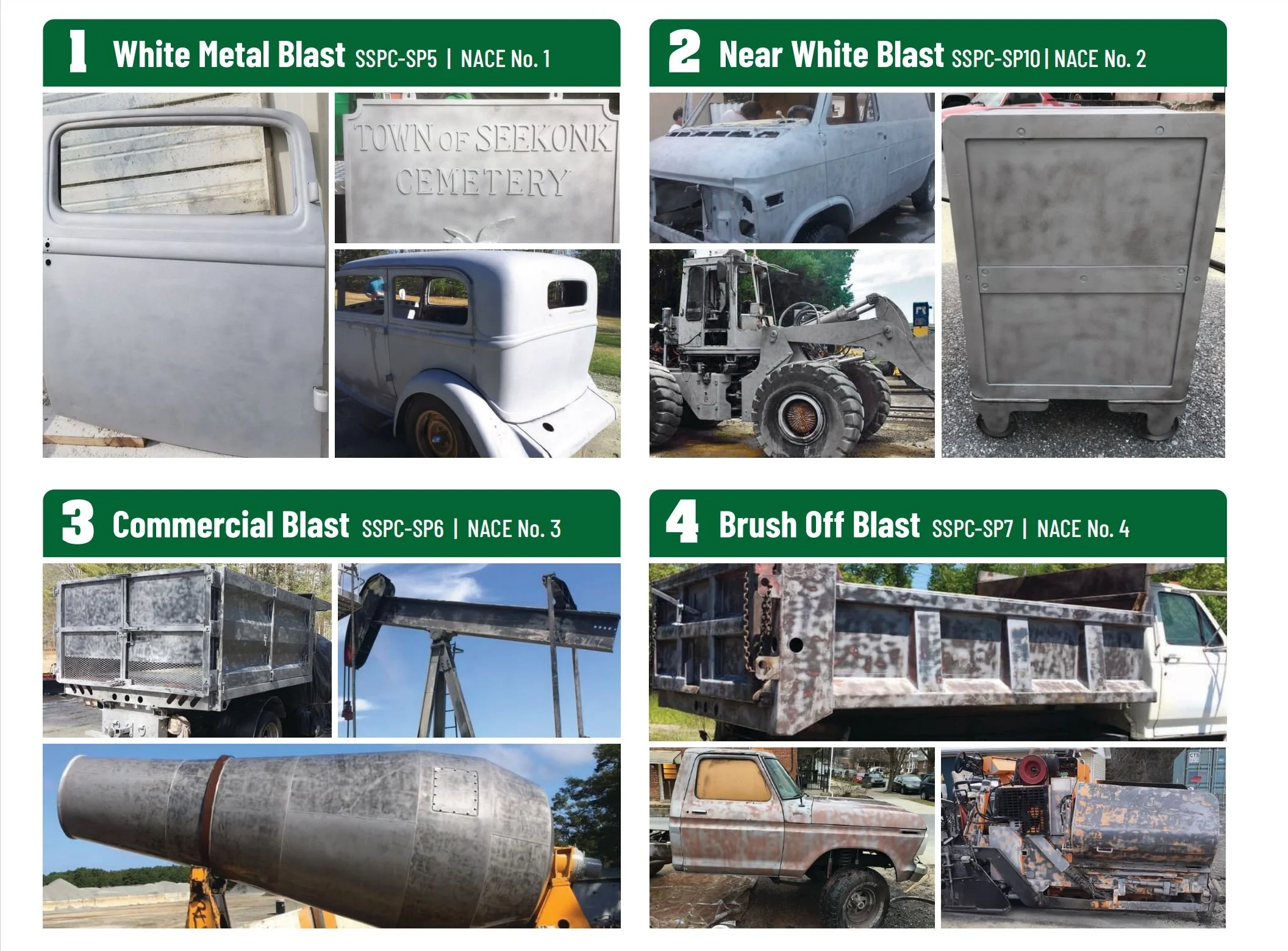
What a “Good” Blast Finish Actually Looks Like
A good blast finish isn’t about shine. Learn what a properly prepared surface really looks like and why even texture matters more than appearance.
(Image credit: MMLJ, Inc. - Dustless Blasting)
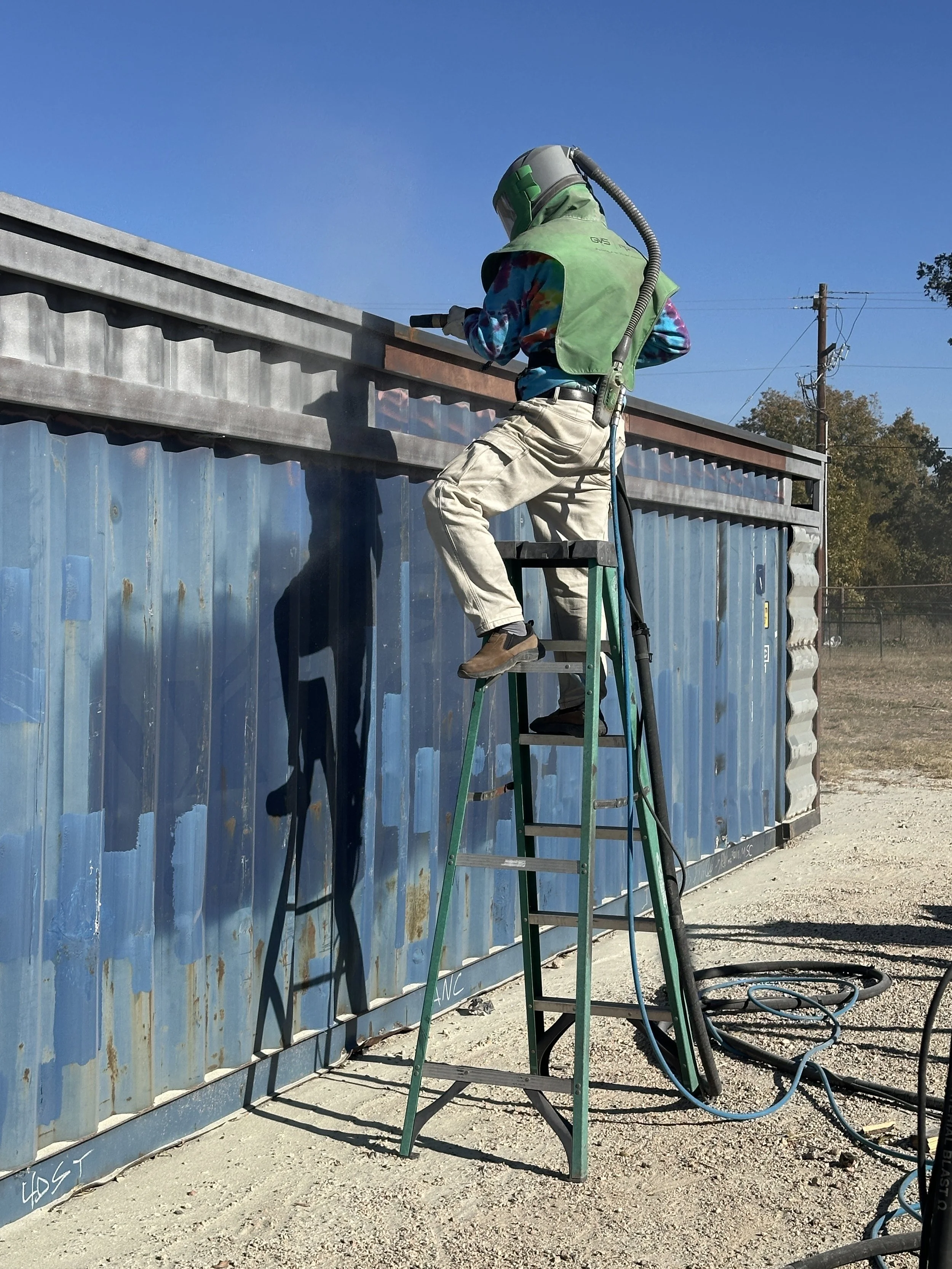
How Long Does Media Blasting Actually Take? (And Why It Depends)
Media blasting time depends on the surface, coating, setup, and job conditions. Learn what actually affects blasting time and why estimates vary.
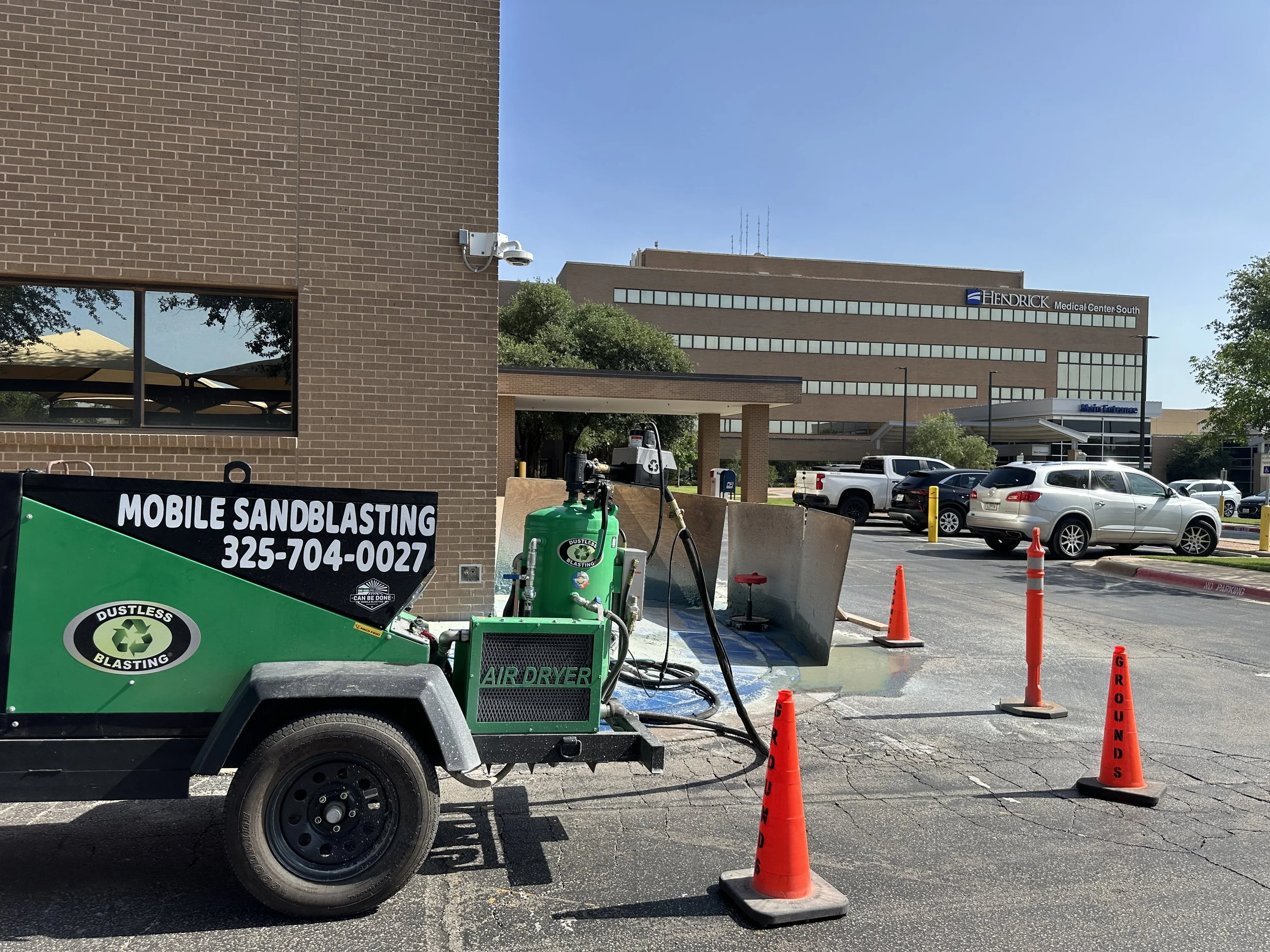
Why “Dustless Blasting” Isn’t Actually Dustless (And When It’s the Right Choice)
Dustless blasting, also called wet blasting, reduces airborne dust, static electricity, and heat. Learn when it makes sense to use it, when it doesn’t, and why dry blasting is still the primary method.
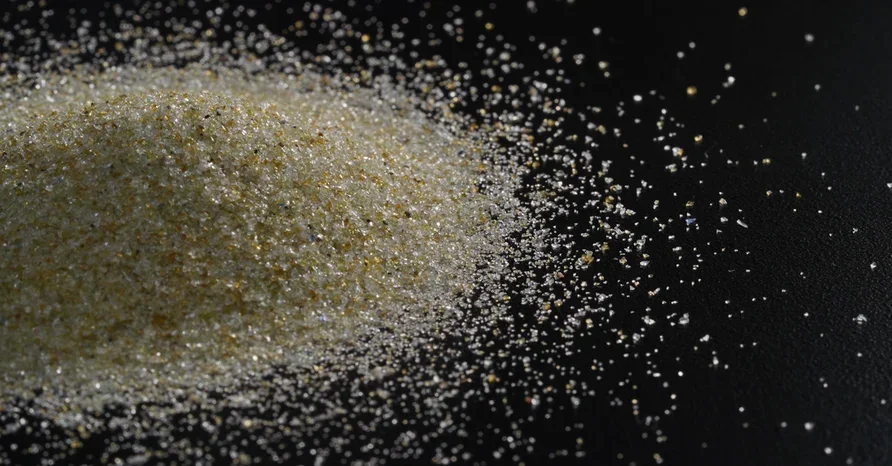
Crushed Glass vs Coal Slag vs Garnet: Choosing the Right Blasting Media
Crushed glass, coal slag, and garnet are not interchangeable. Learn how each blasting media behaves and how the right choice impacts surface prep and coating life.
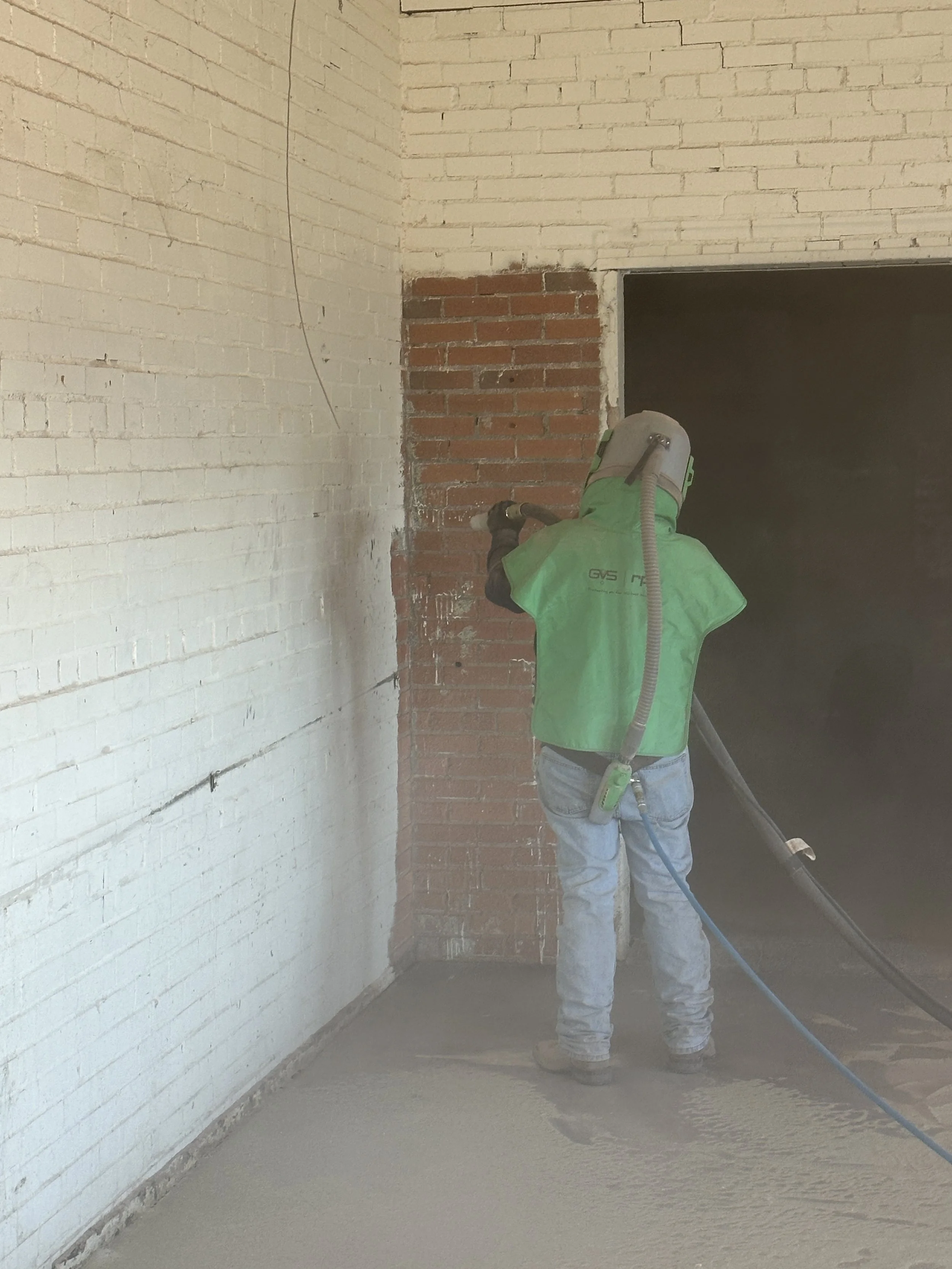
Media Blasting vs Sandblasting: What’s the Actual Difference?
Media blasting and sandblasting are often confused, but they are not the same. Learn the real difference, why sand is outdated, and what actually determines long-lasting results.