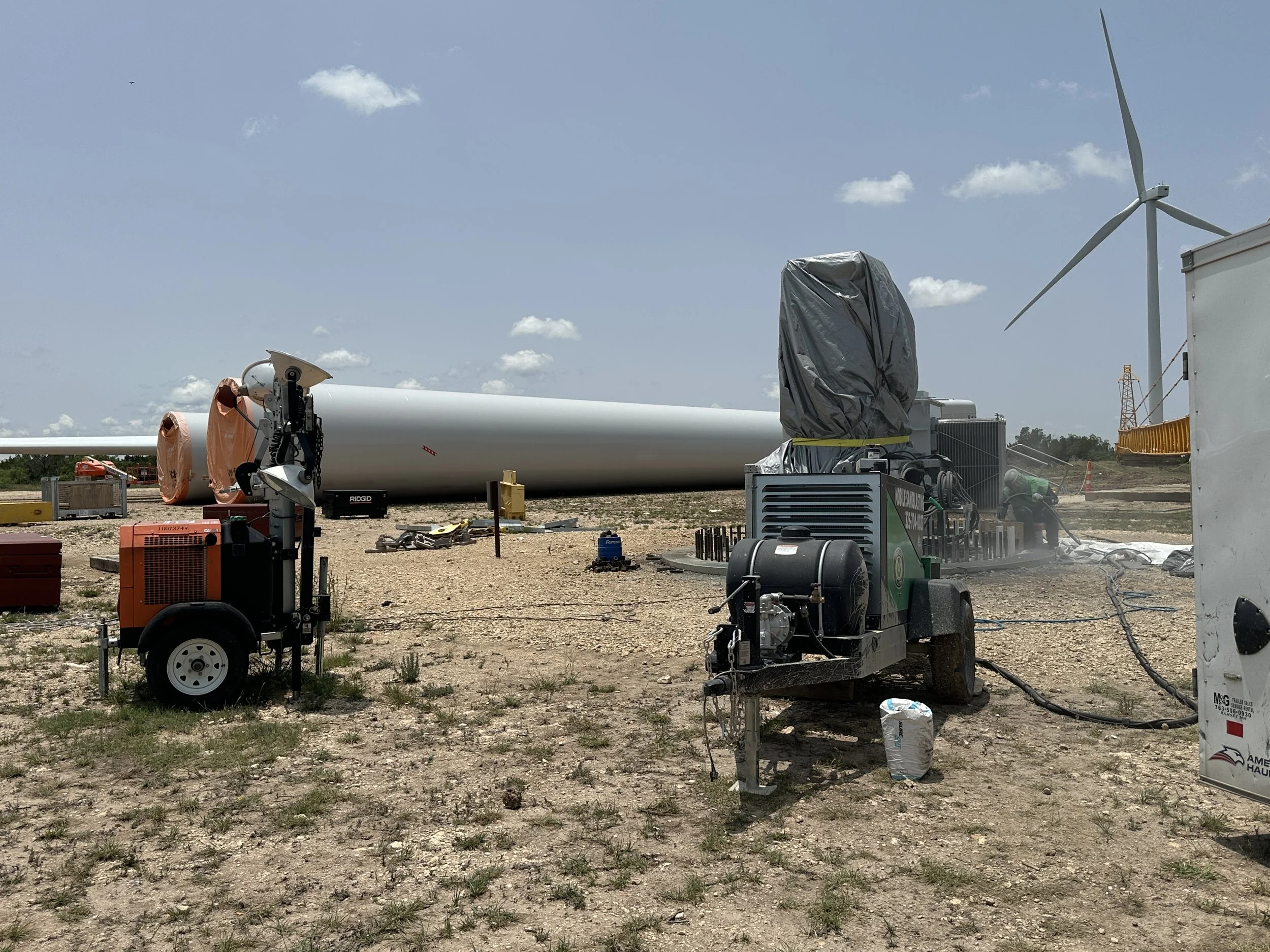
Exposing the Aggregate: Supporting a Wind Turbine Rebuild After a Fire
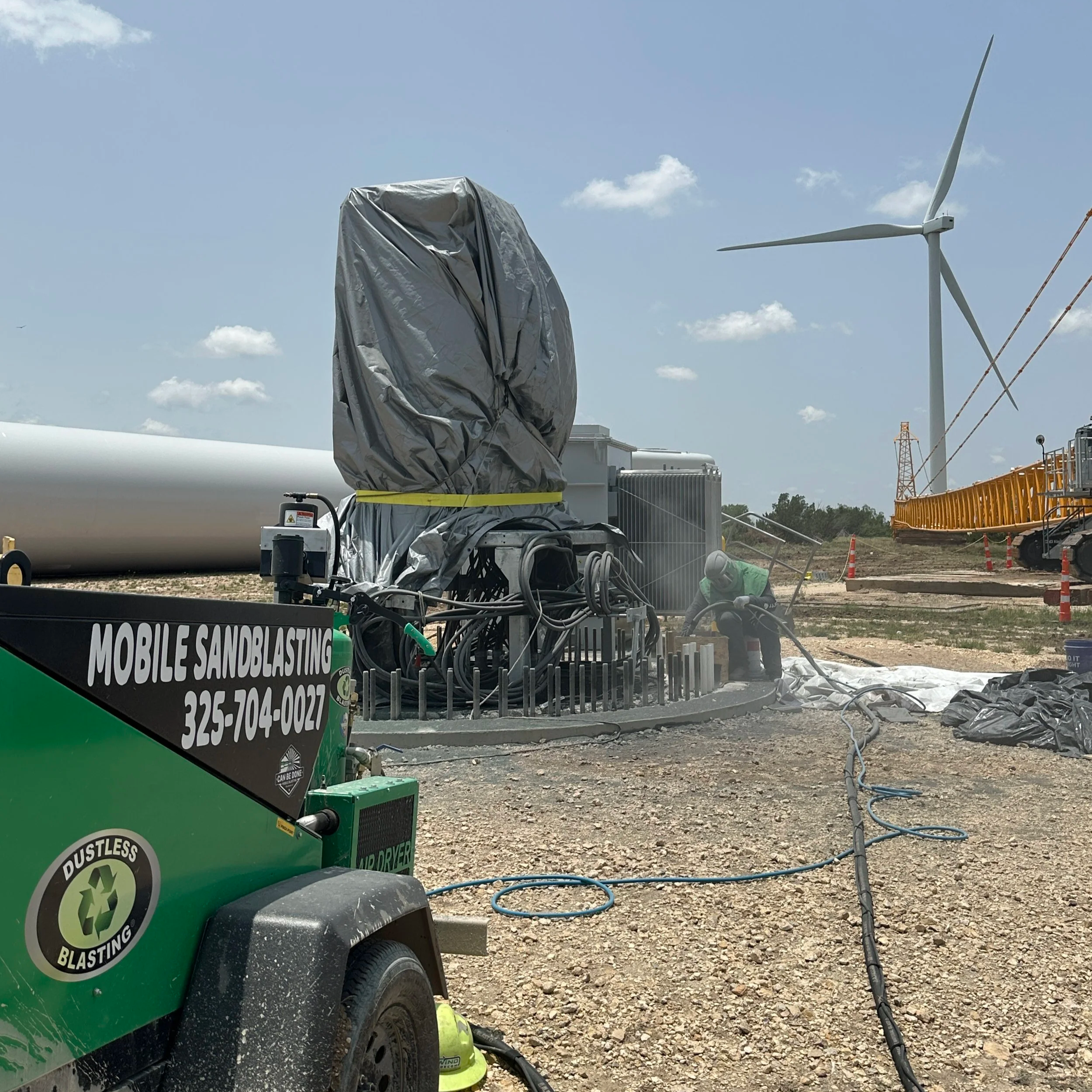
When a turbine’s brake system malfunctions and leads to a catastrophic fire, the entire structure has to come down. Learn how we helped prepare the original concrete pad for a fresh start.
The Story: From Disaster to Reconstruction
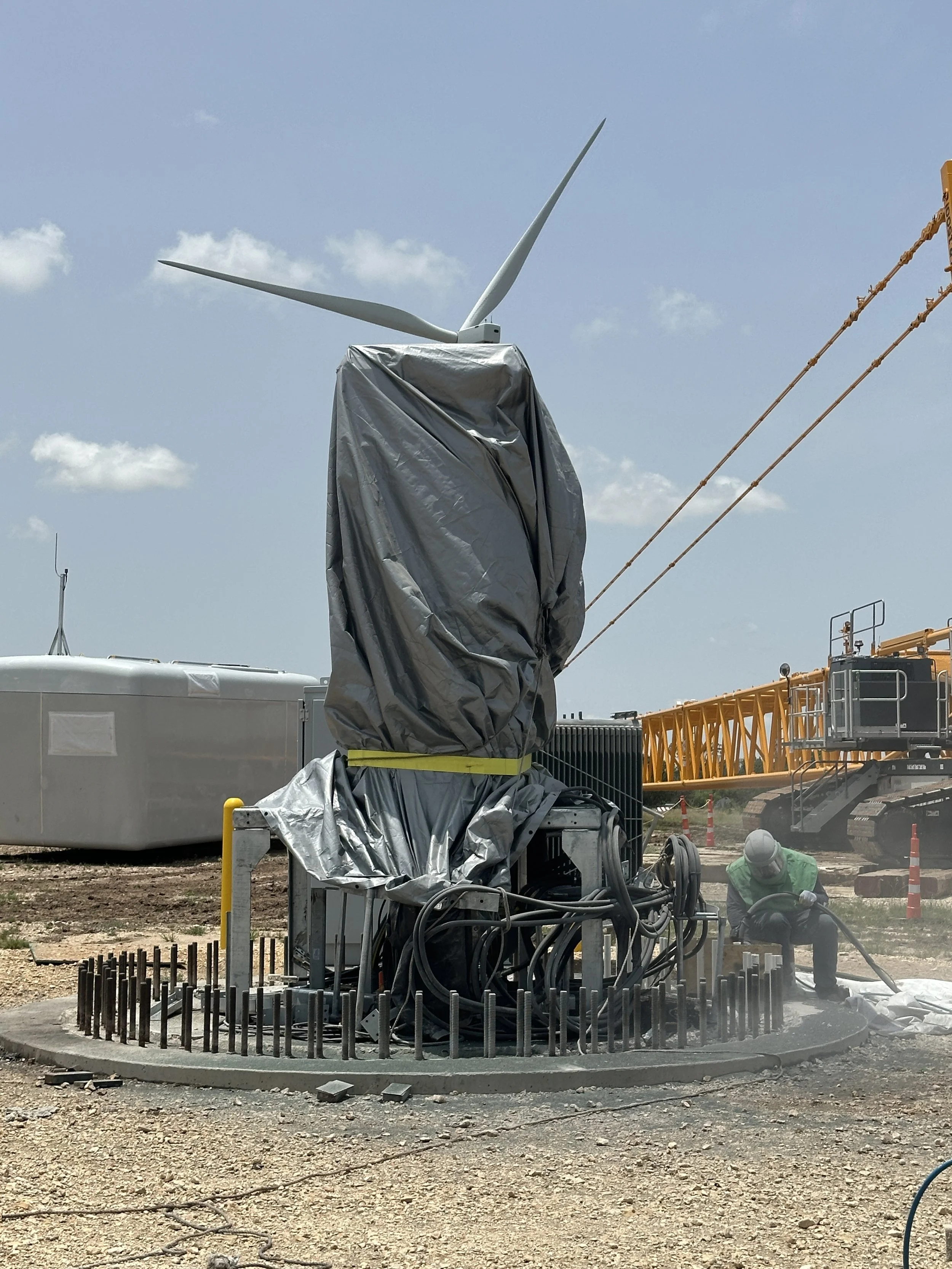
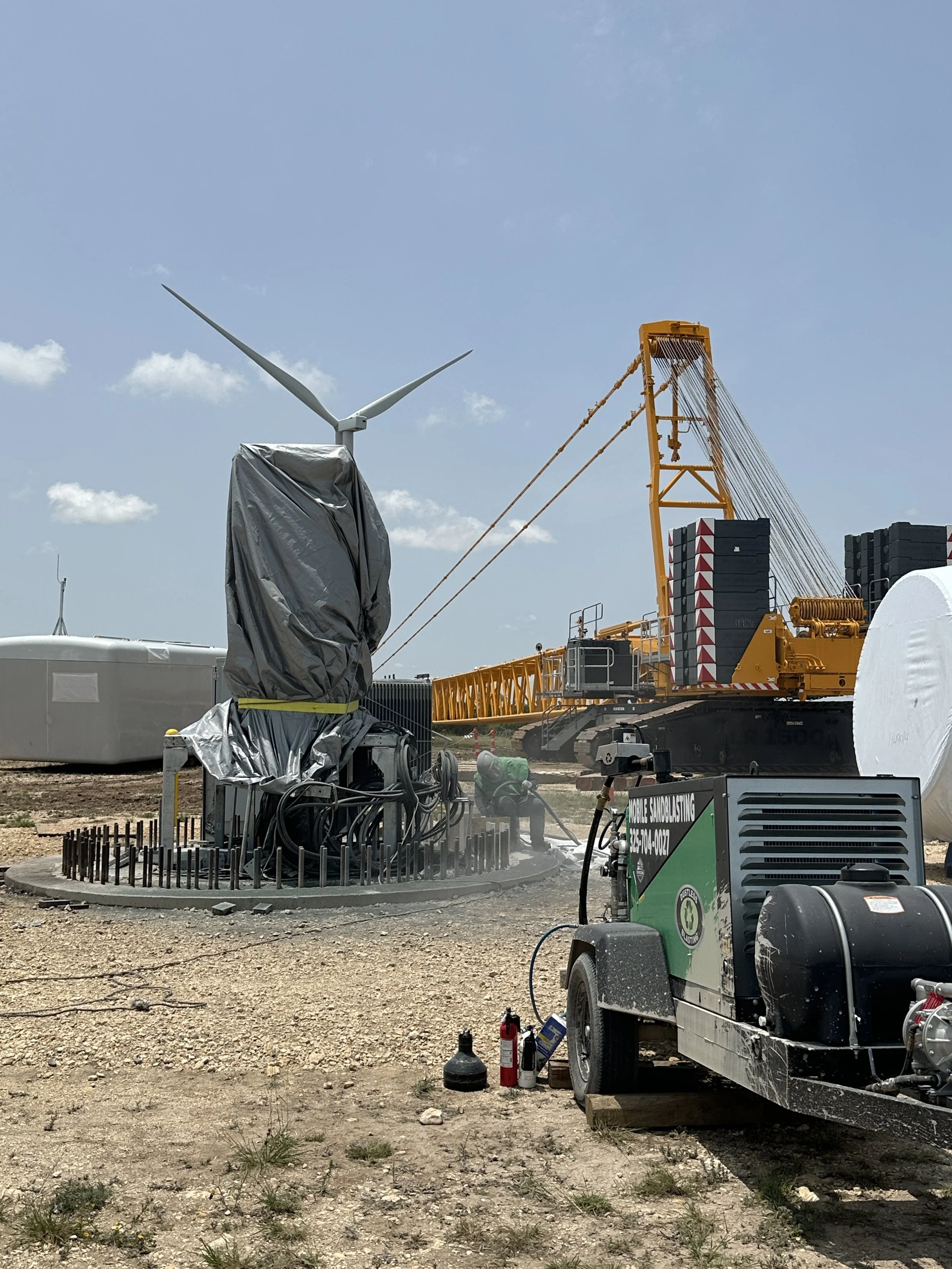
About a year ago, a local wind turbine suffered a major brake fault malfunction. The resulting fire was catastrophic, and the entire unit had to be decommissioned and removed. In the wind industry, when a turbine comes down, the clock starts ticking to get a new one up and generating power again.
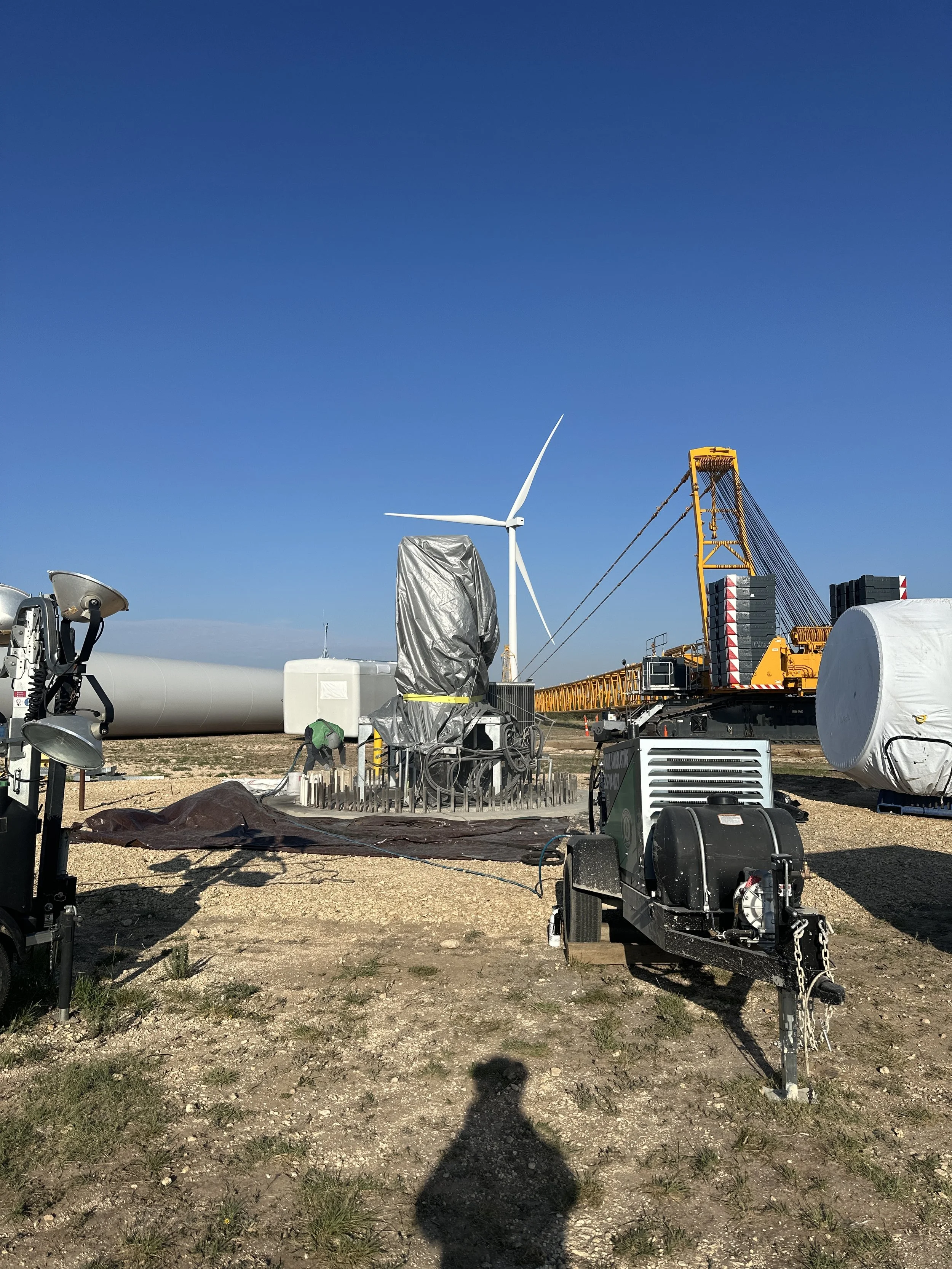
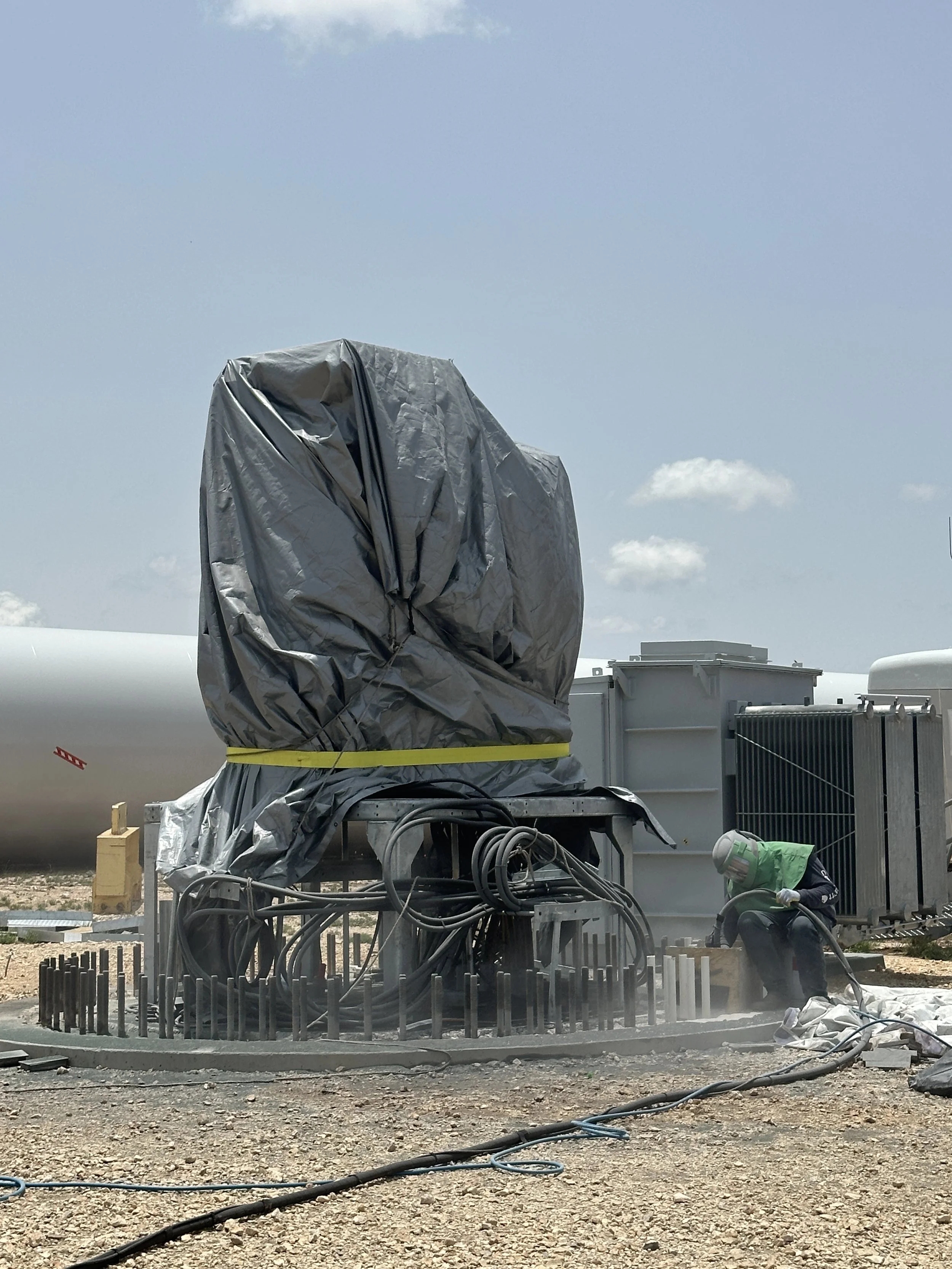
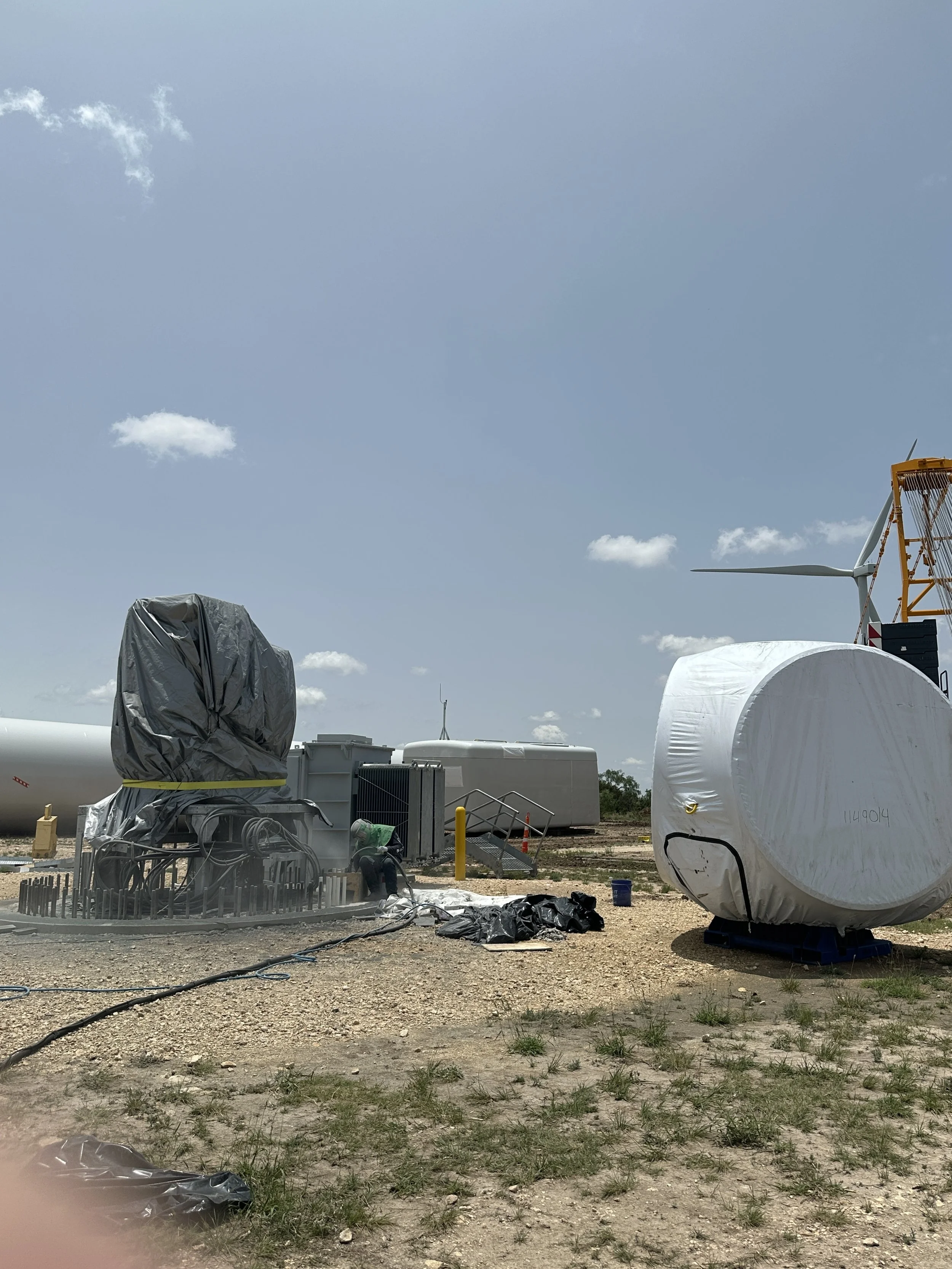
The engineers decided to reuse the existing concrete pad, but after the fire and the removal of the old tower, the surface wasn't ready for a new structure. To ensure the new turbine had a stable, structural bond with the original foundation, we were called in to "expose the aggregate."
Creating a Mechanical Bond for the New Pour
You can't just pour a new layer of structural concrete onto an old, weathered pad. The surface is too smooth and contaminated for a proper bond. If you don't create "teeth" for the new concrete to grab onto, the vibration and immense torque of the turbine would eventually cause the new layer to separate from the old one.
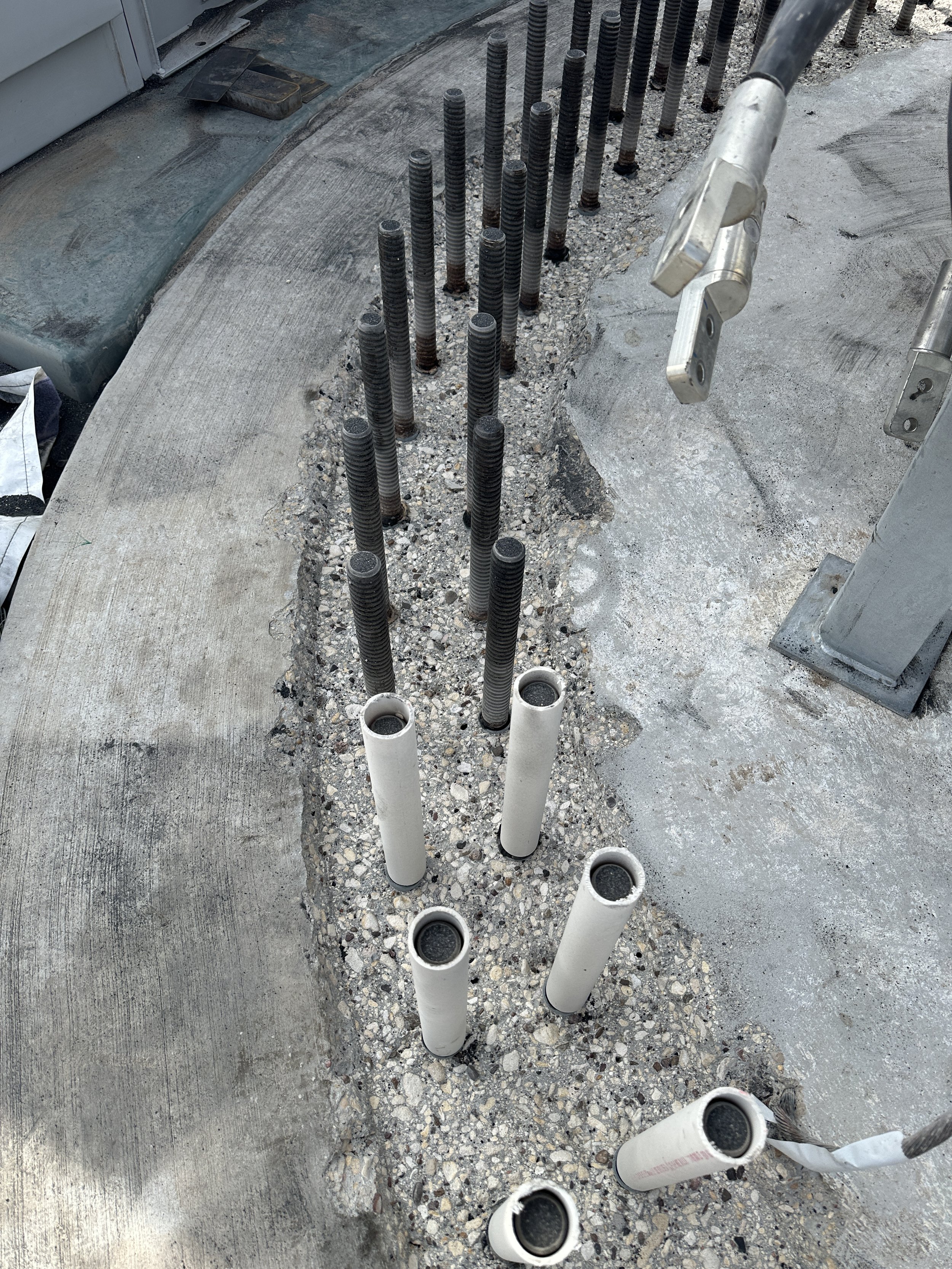
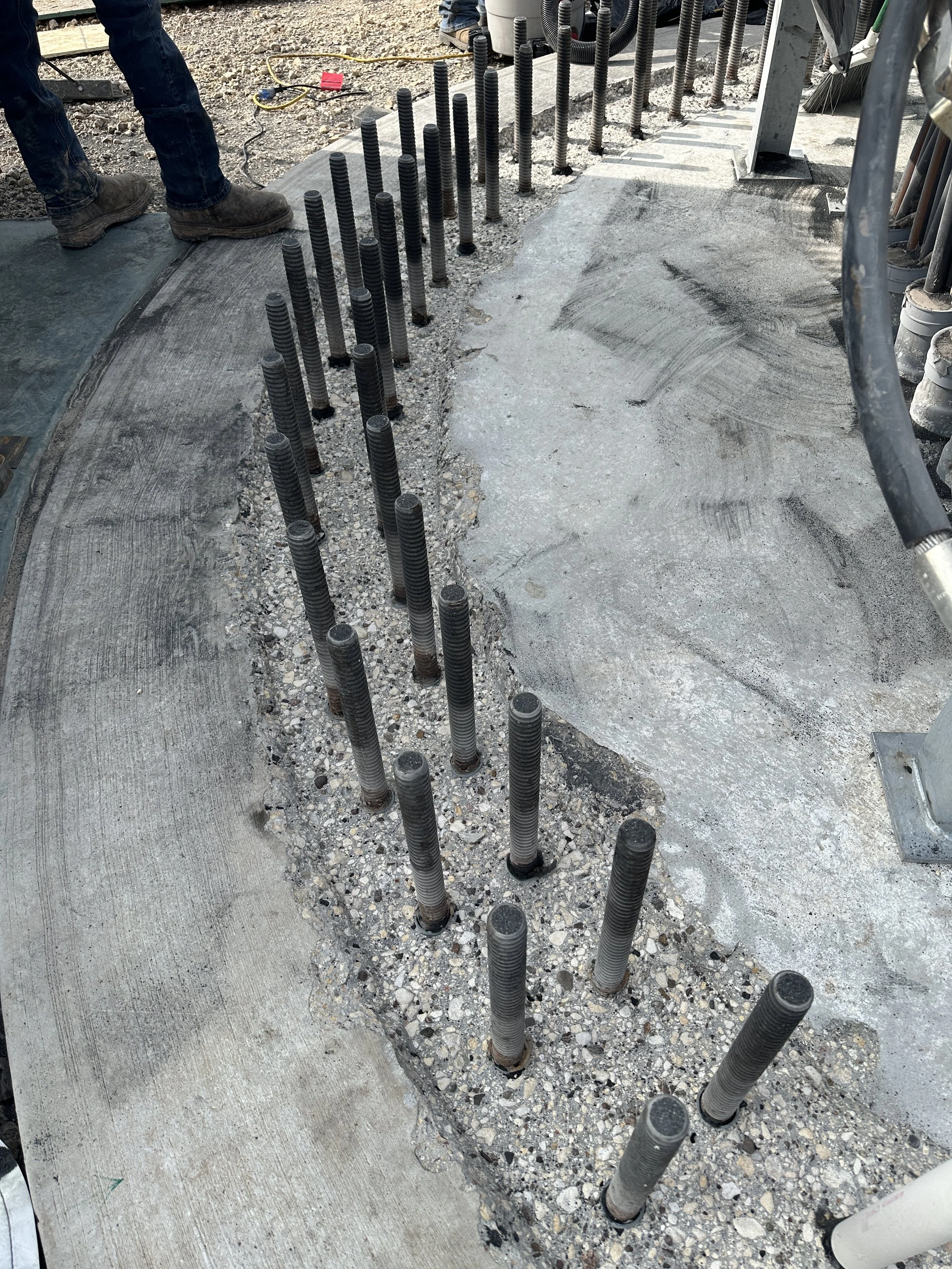
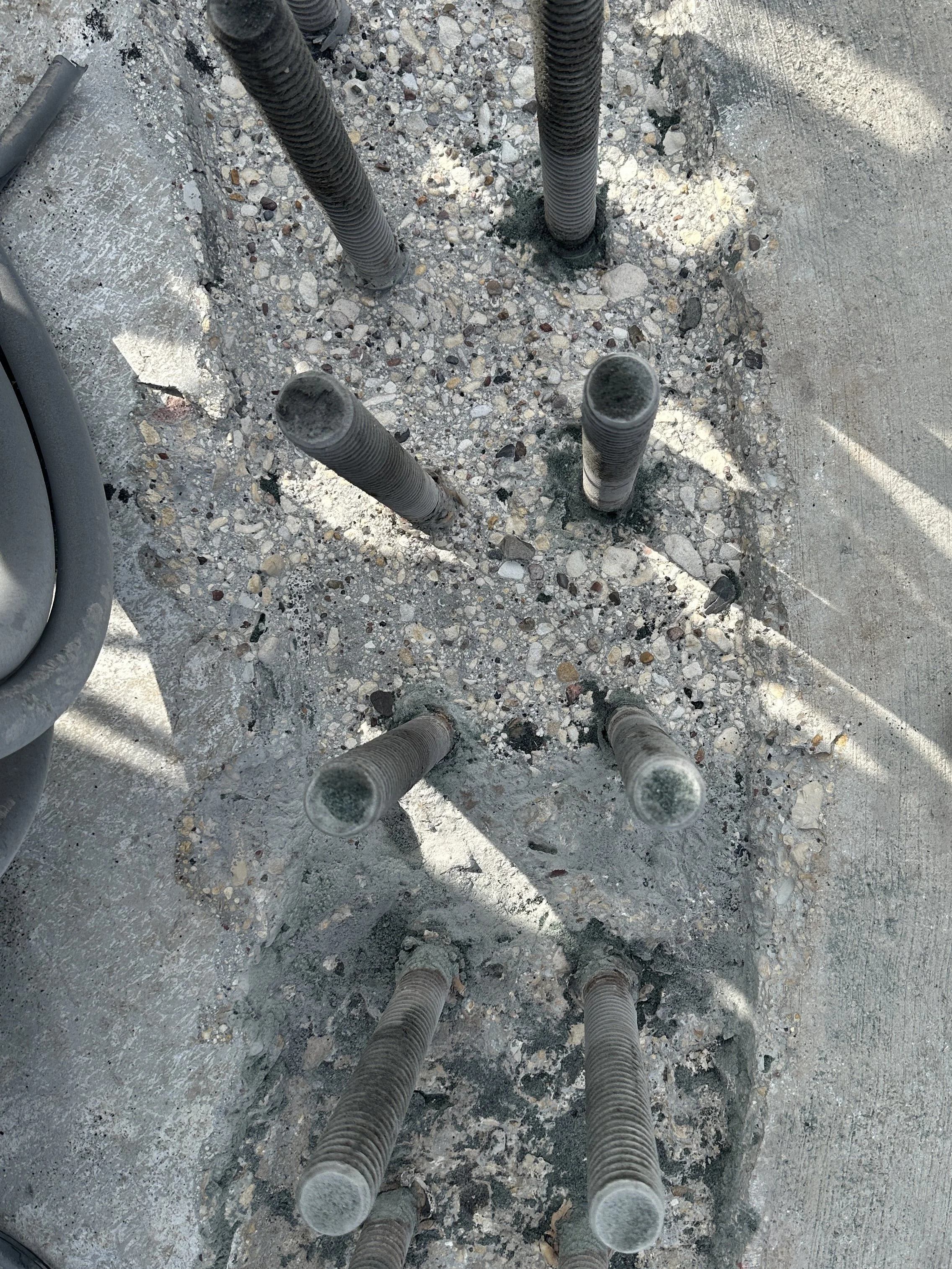
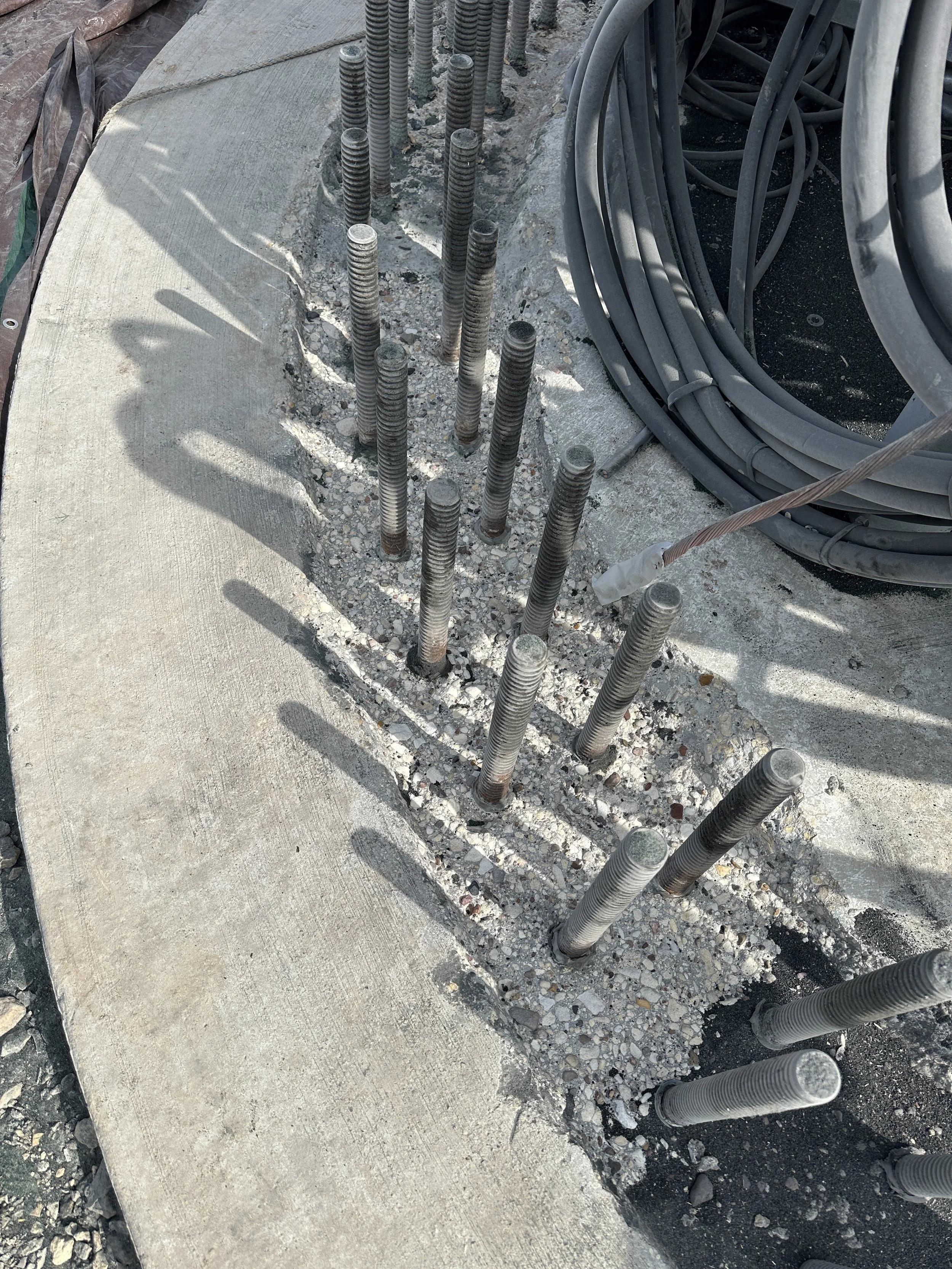
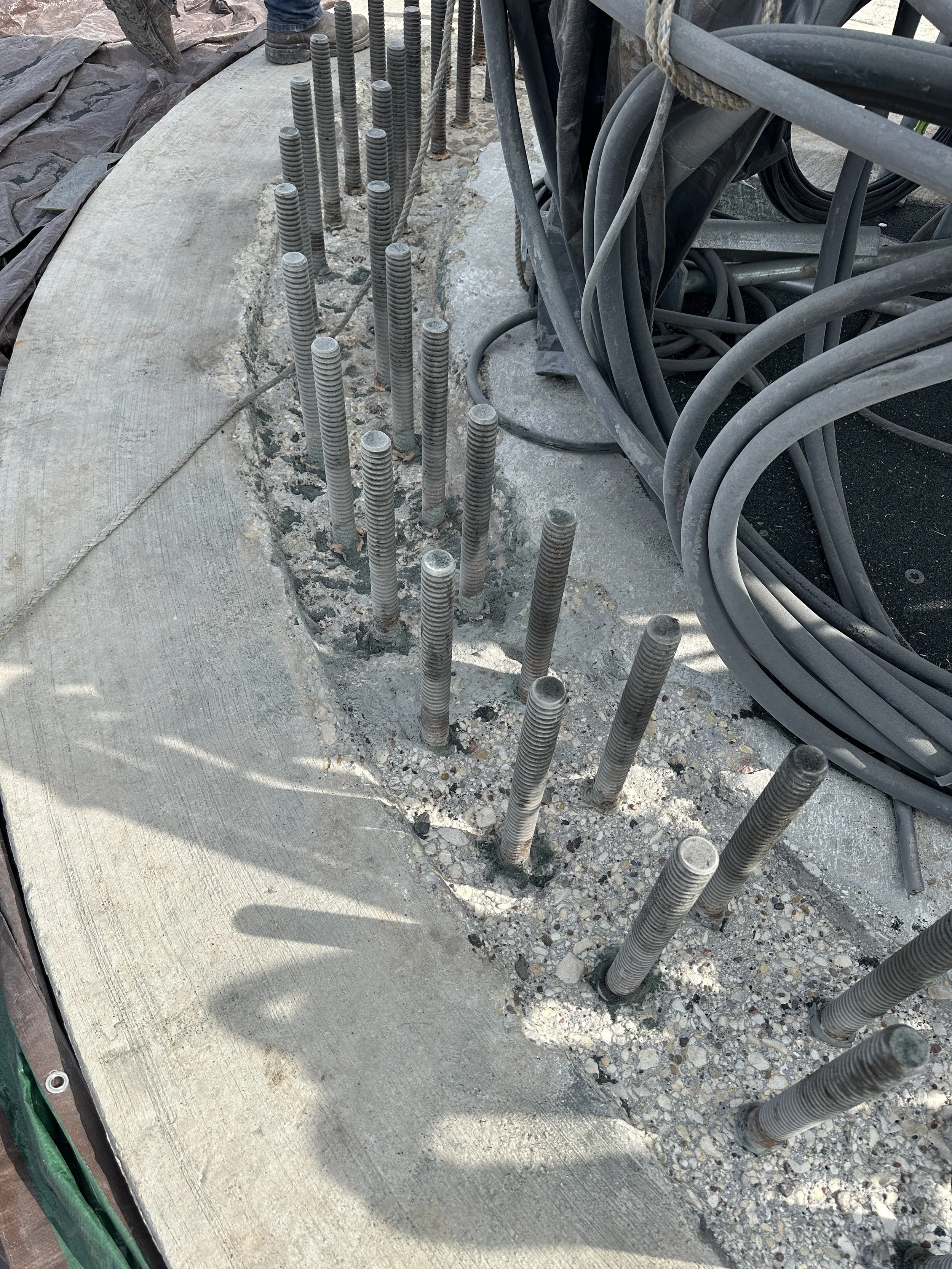
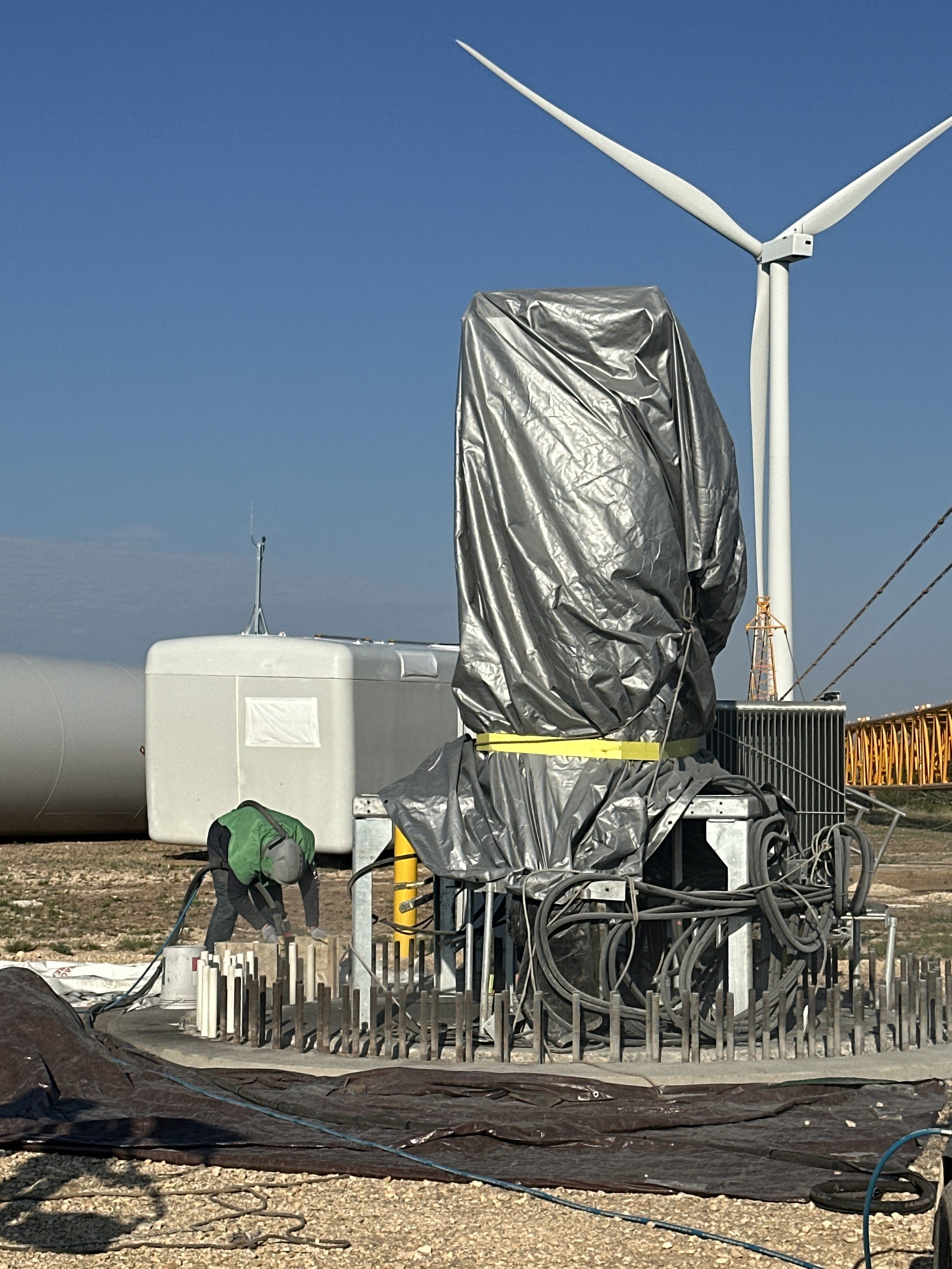
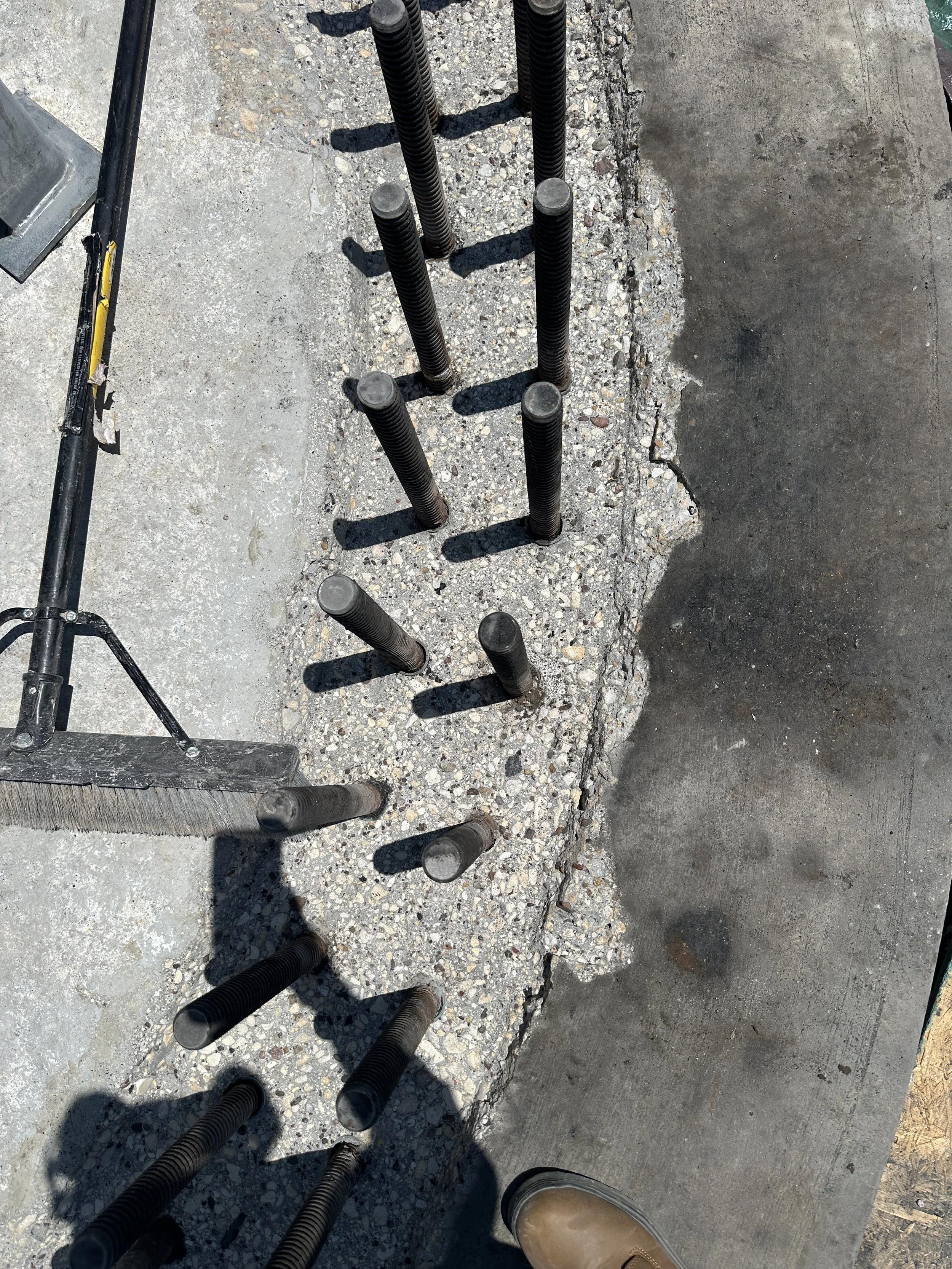
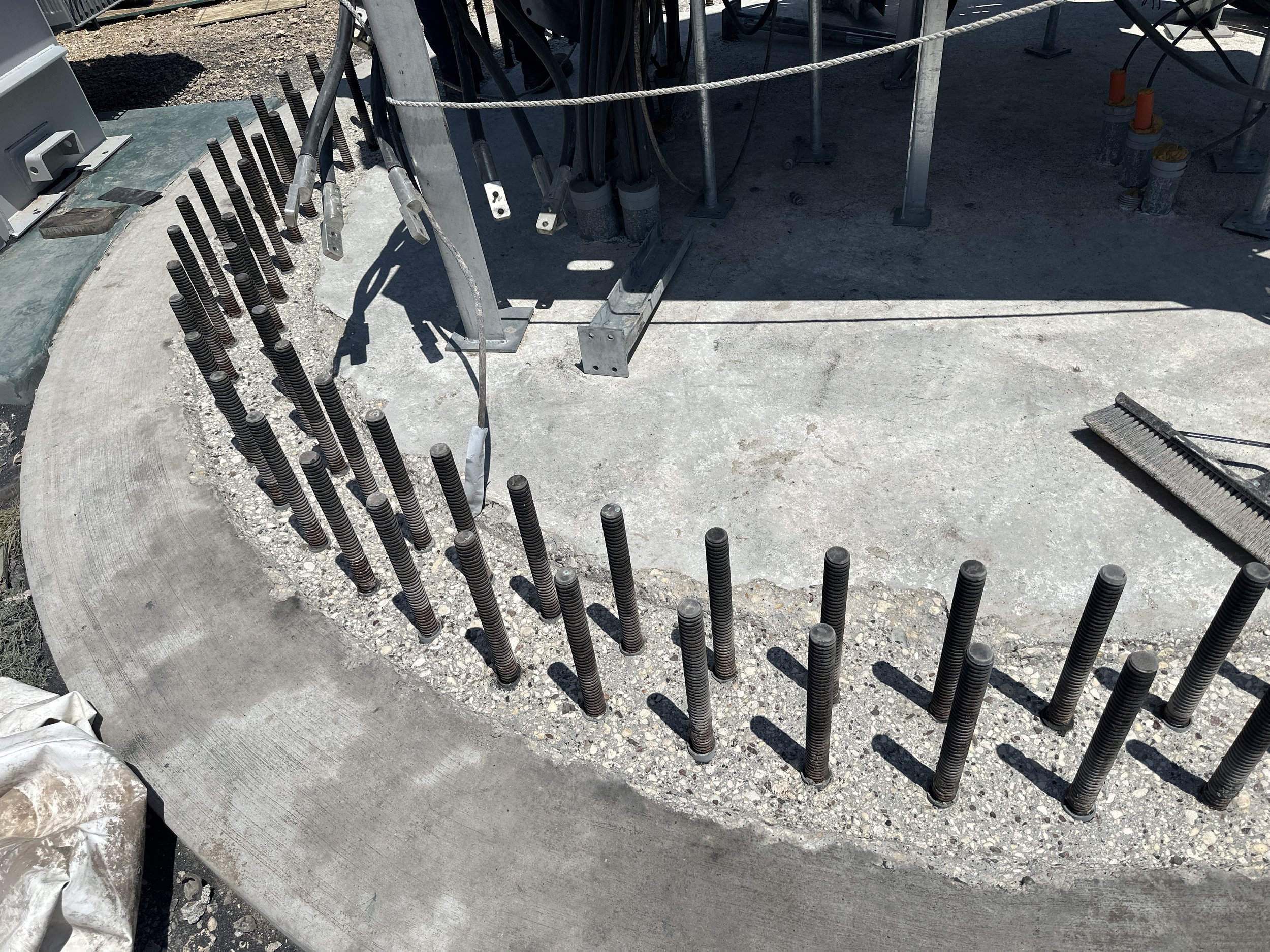
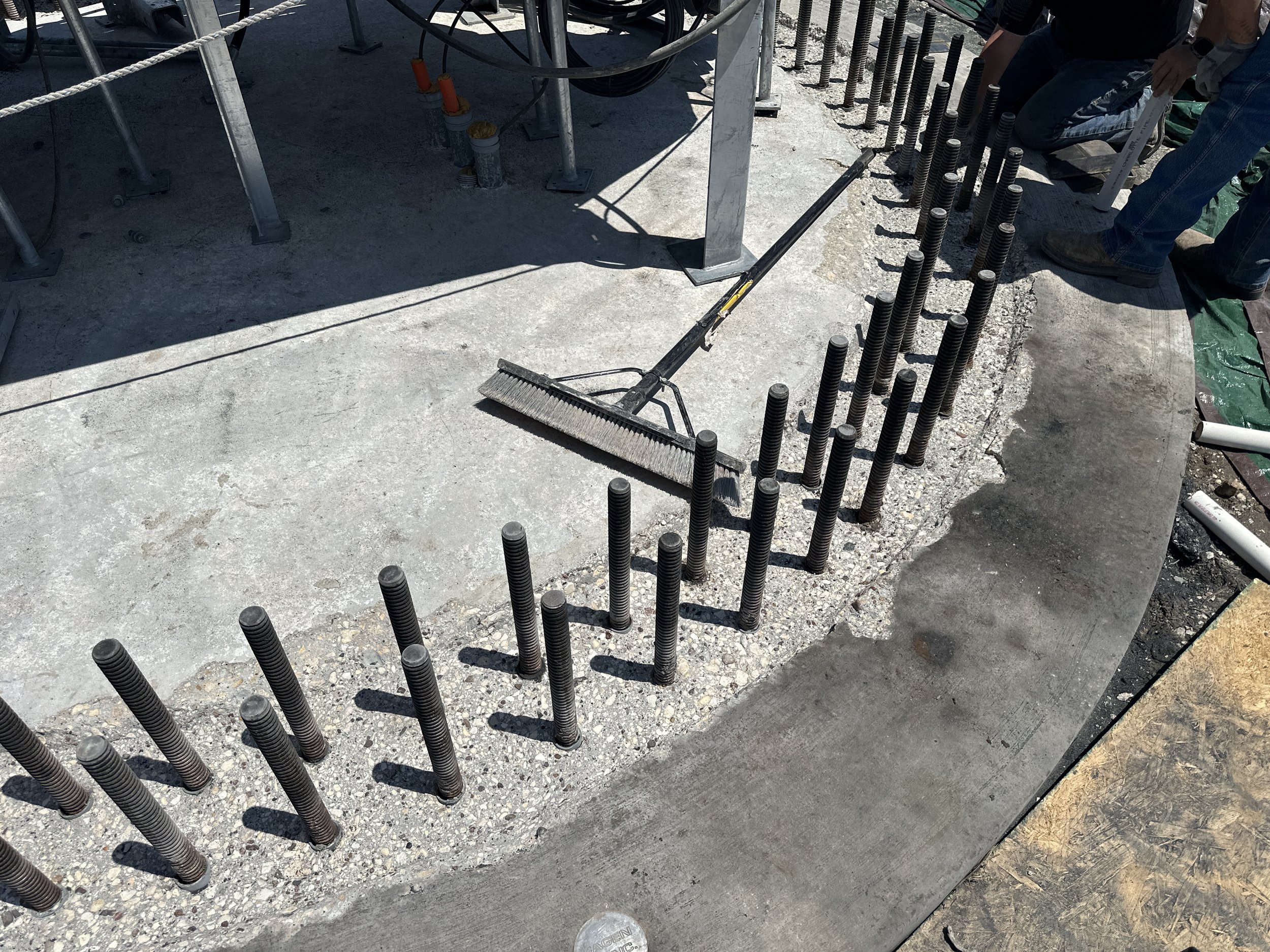
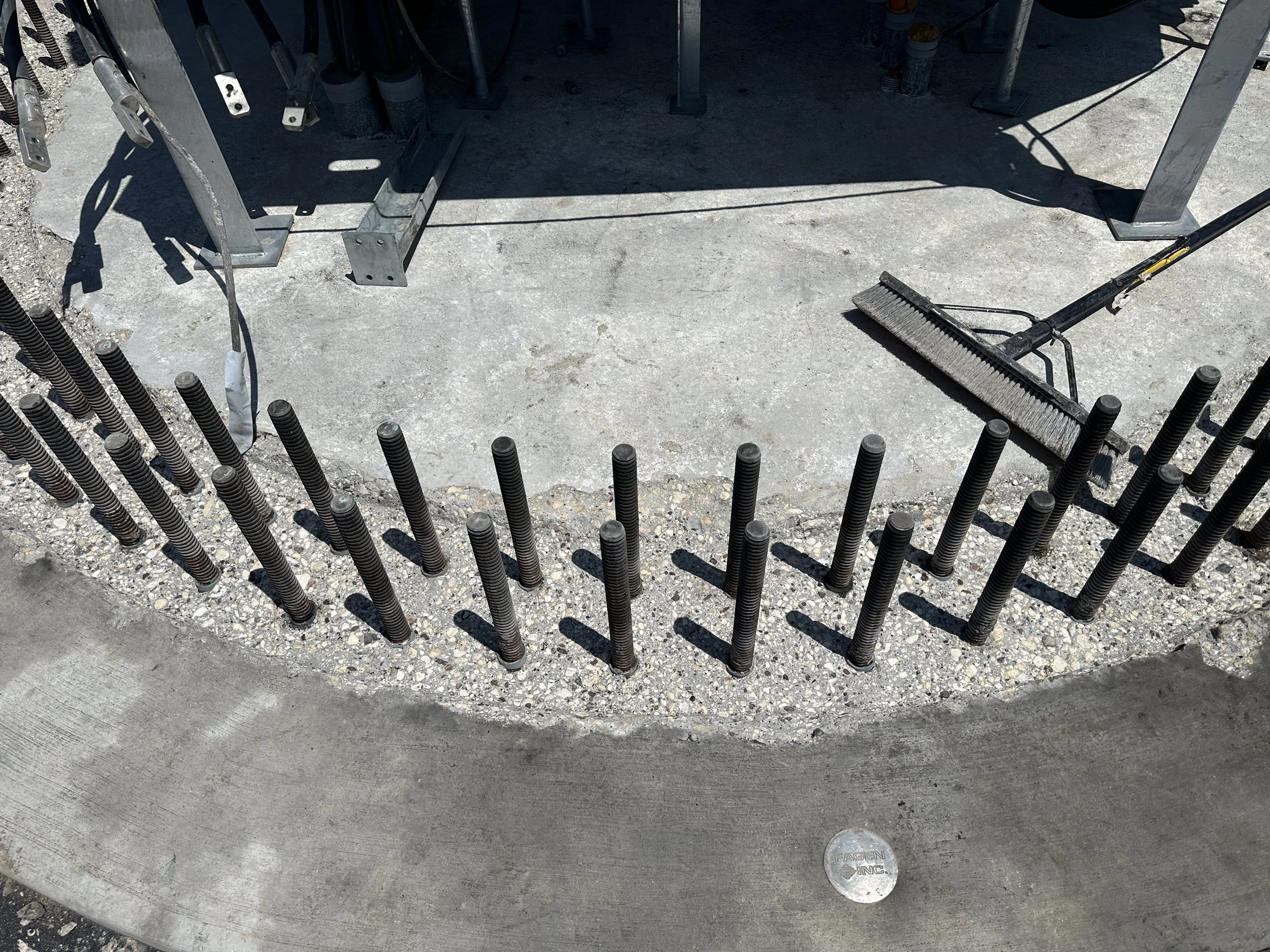
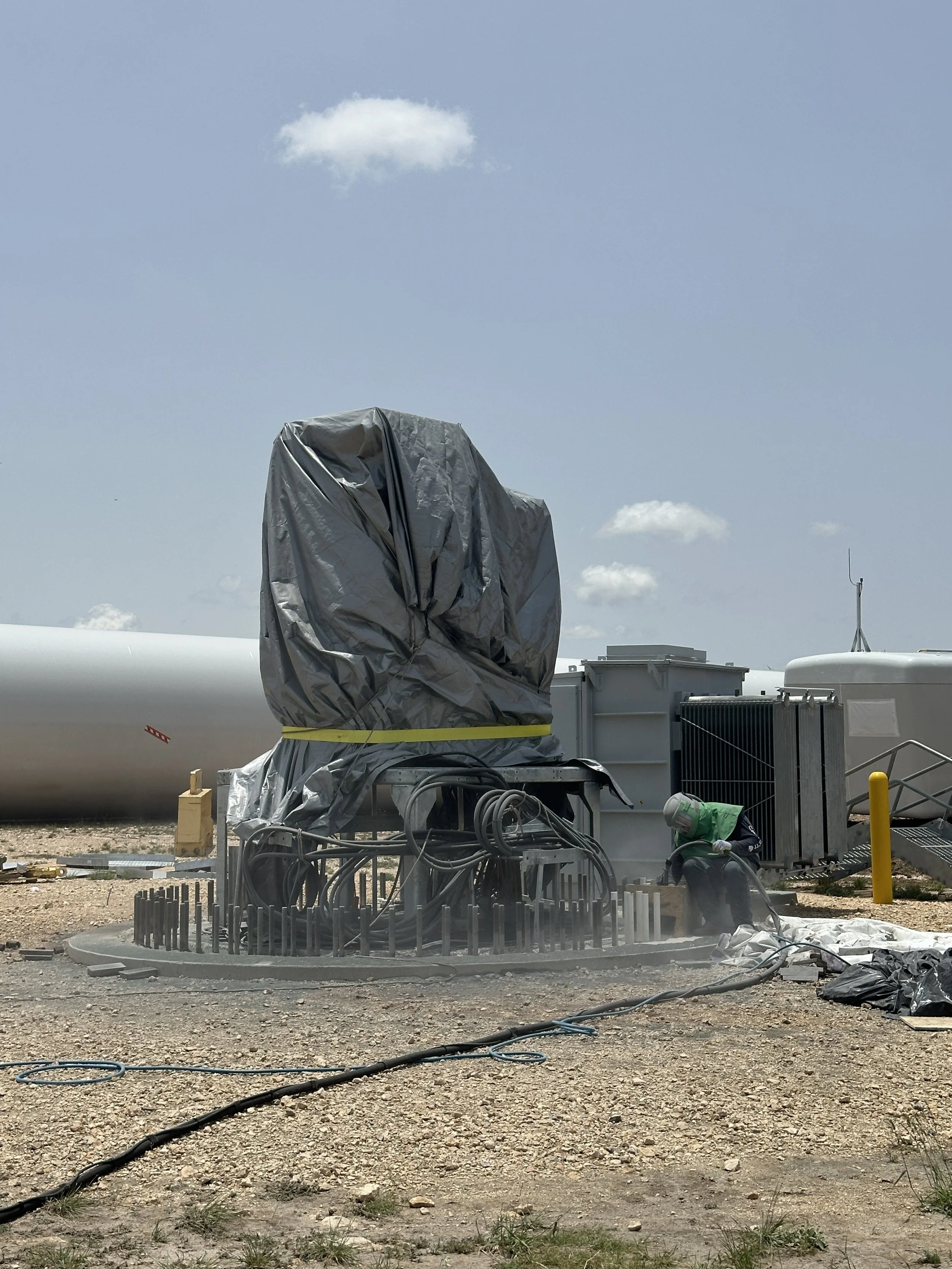
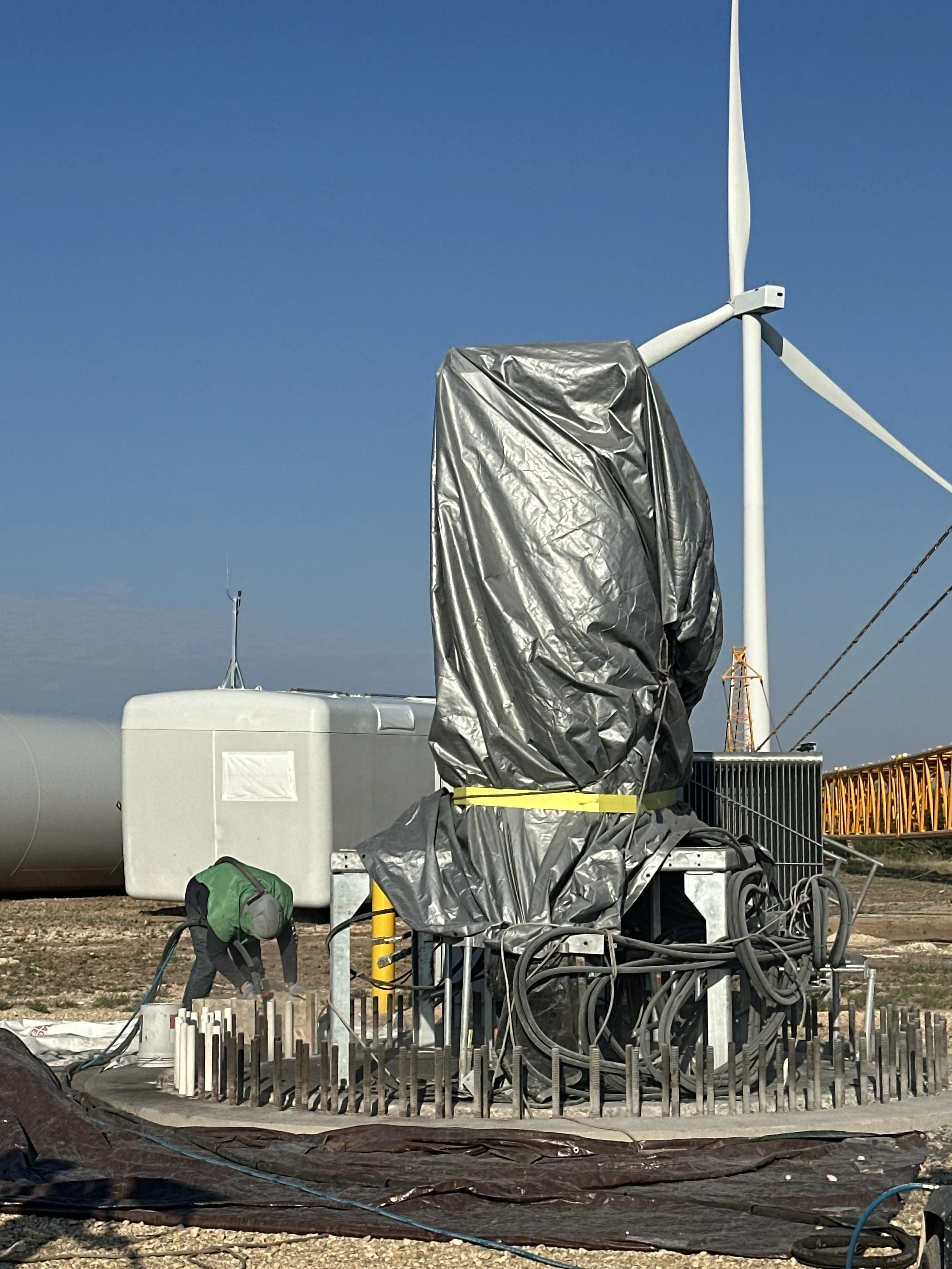
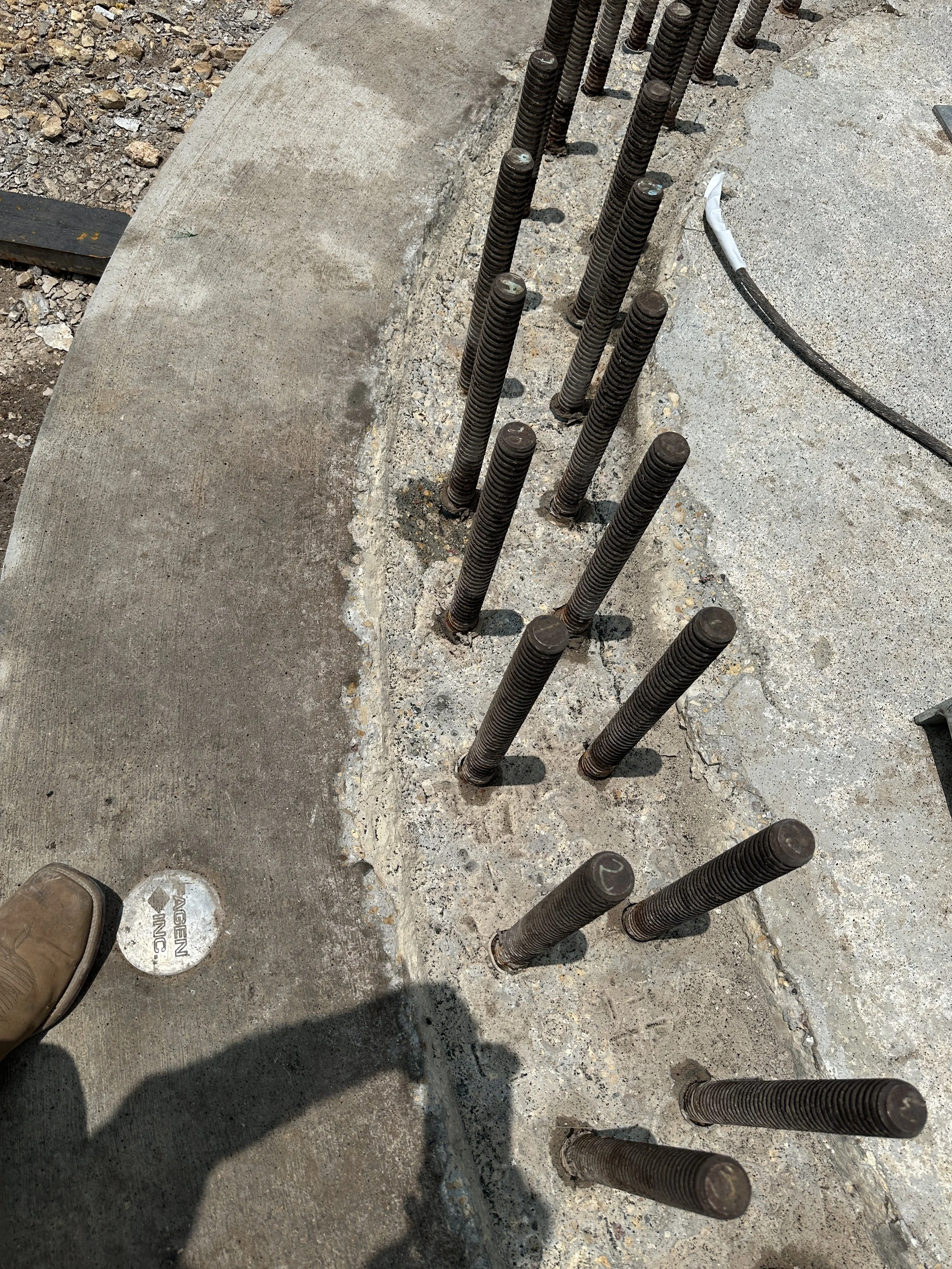
Our mission was to strip away 1/4 inch of the concrete to reveal the rocks and gravel (the aggregate) underneath.
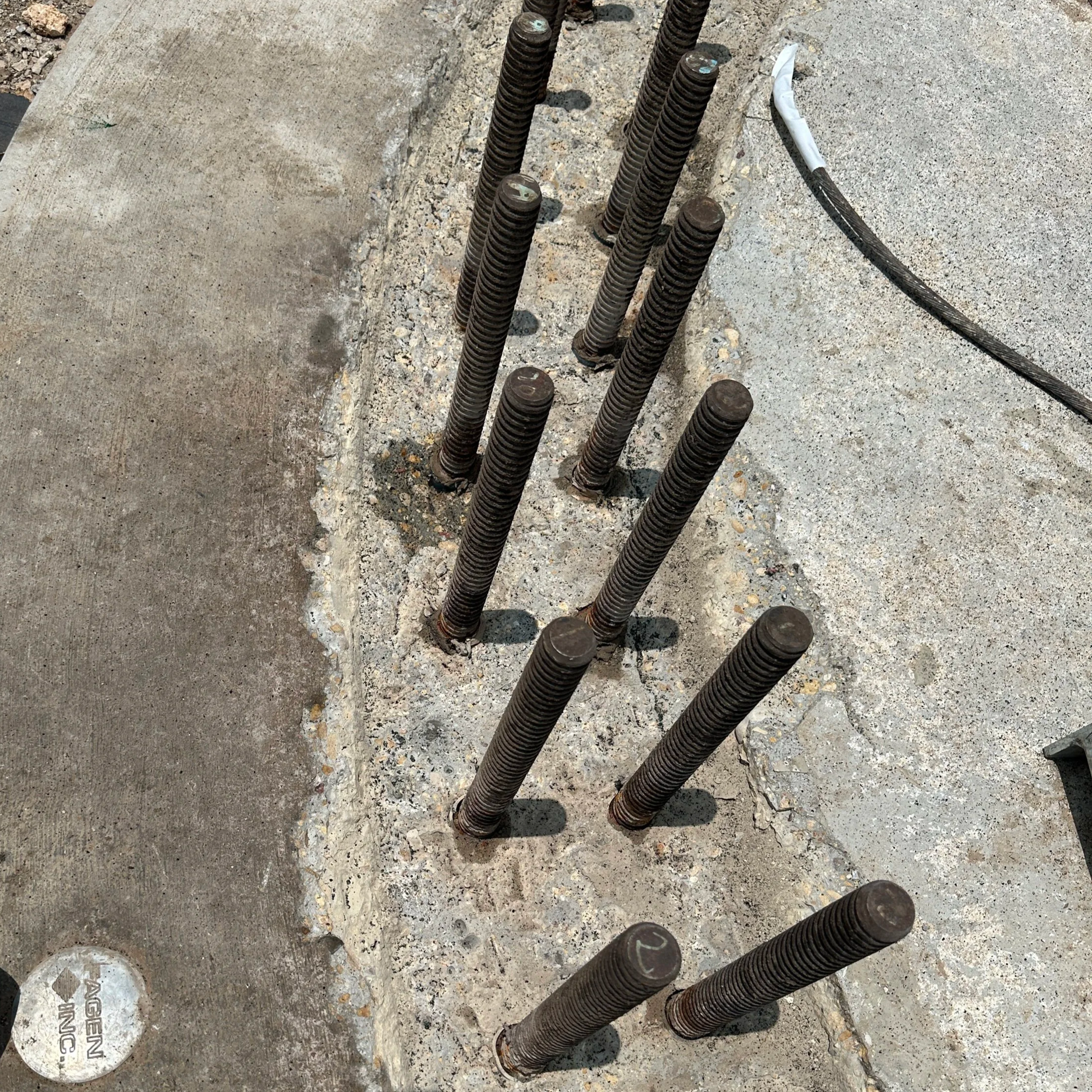
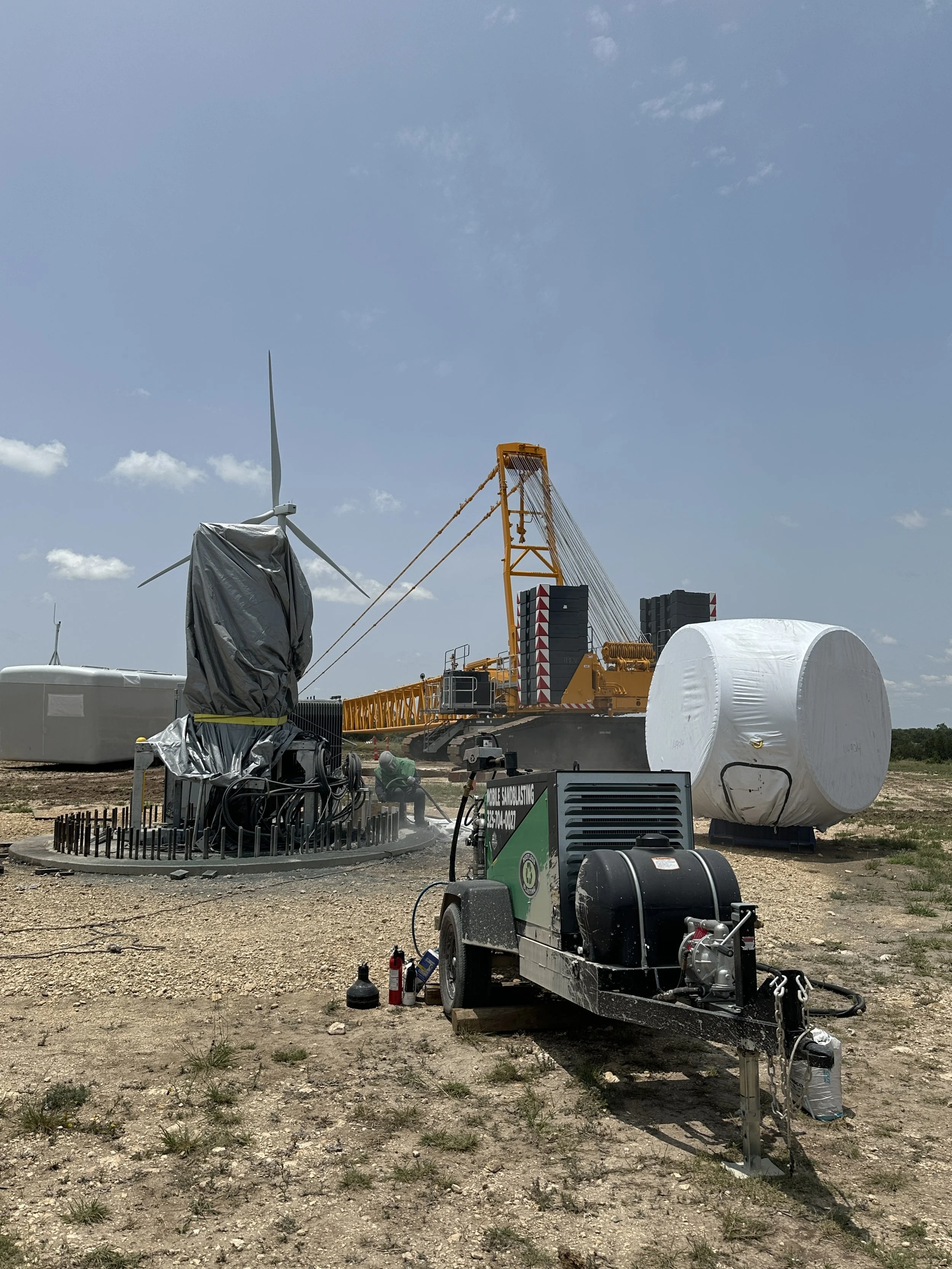
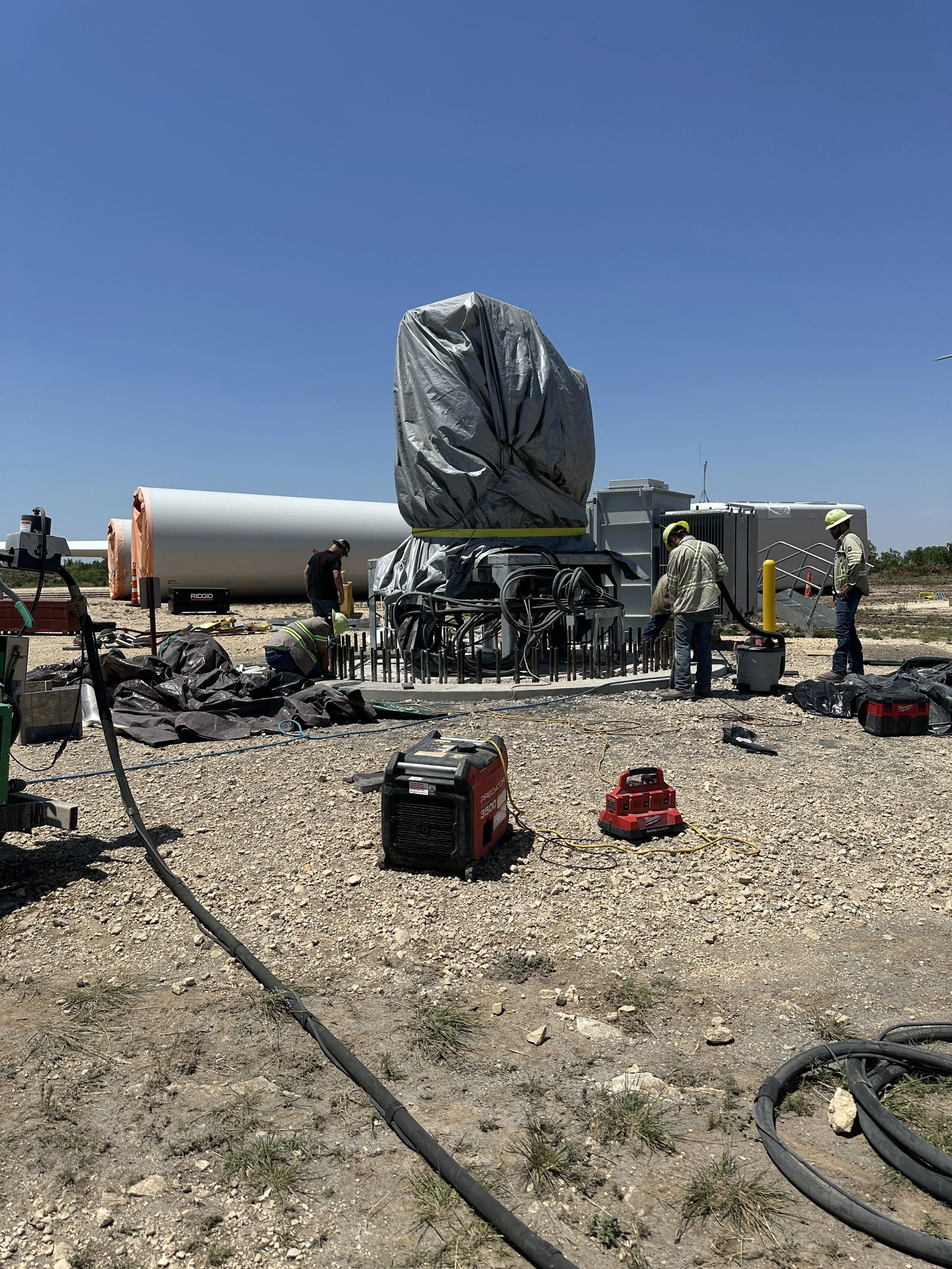
Before
Precision Blasting with the DB350 XS
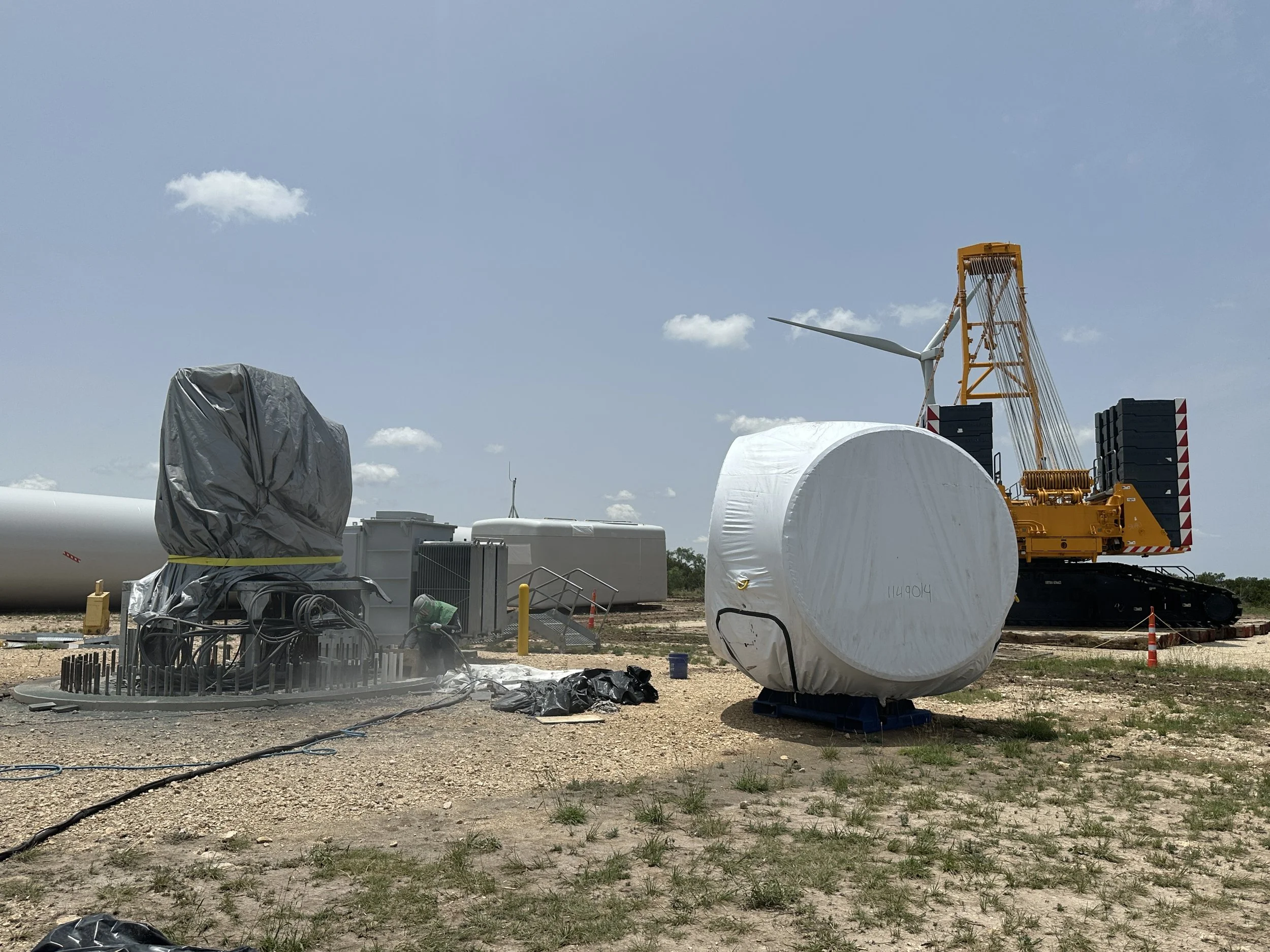
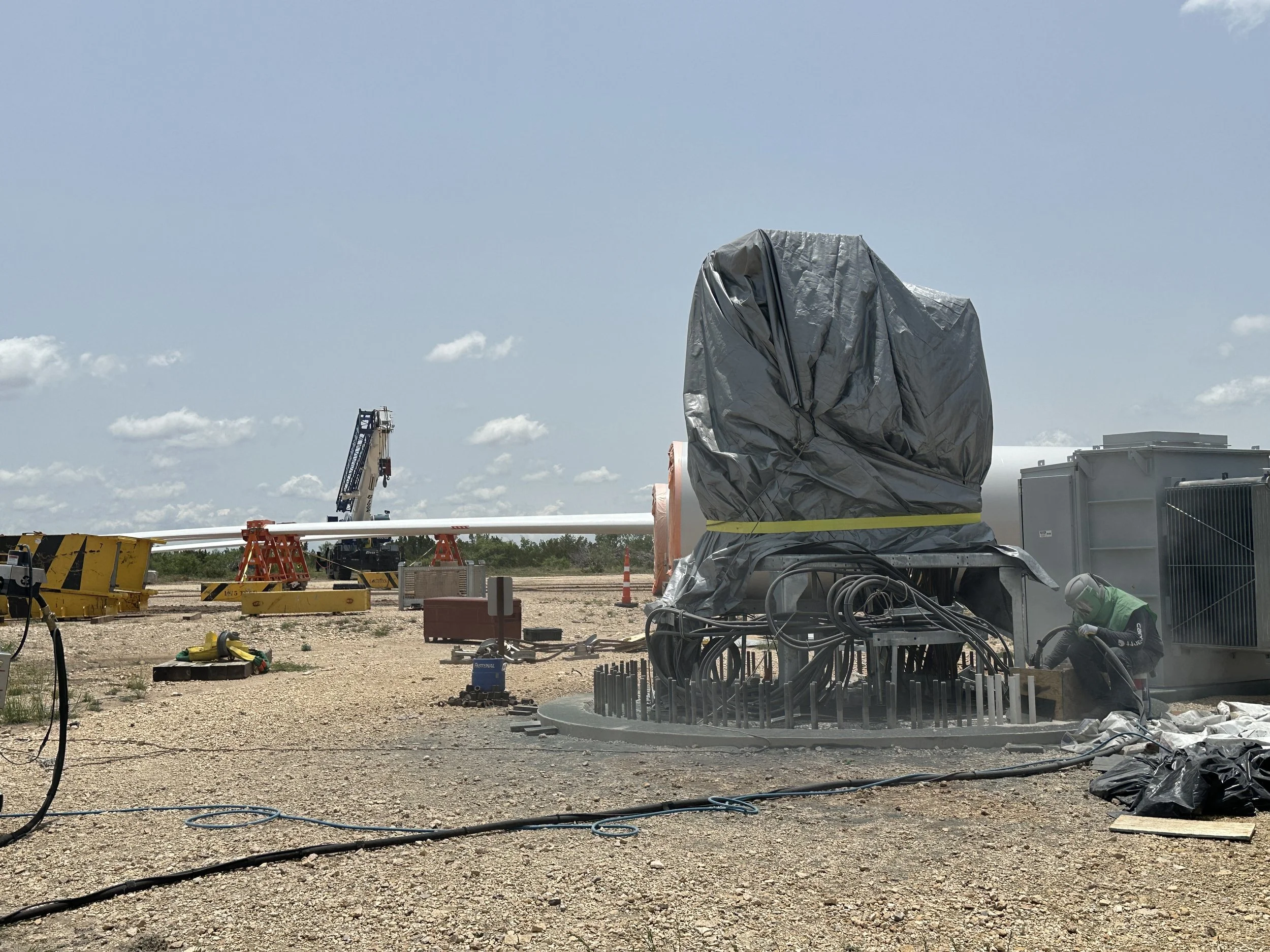
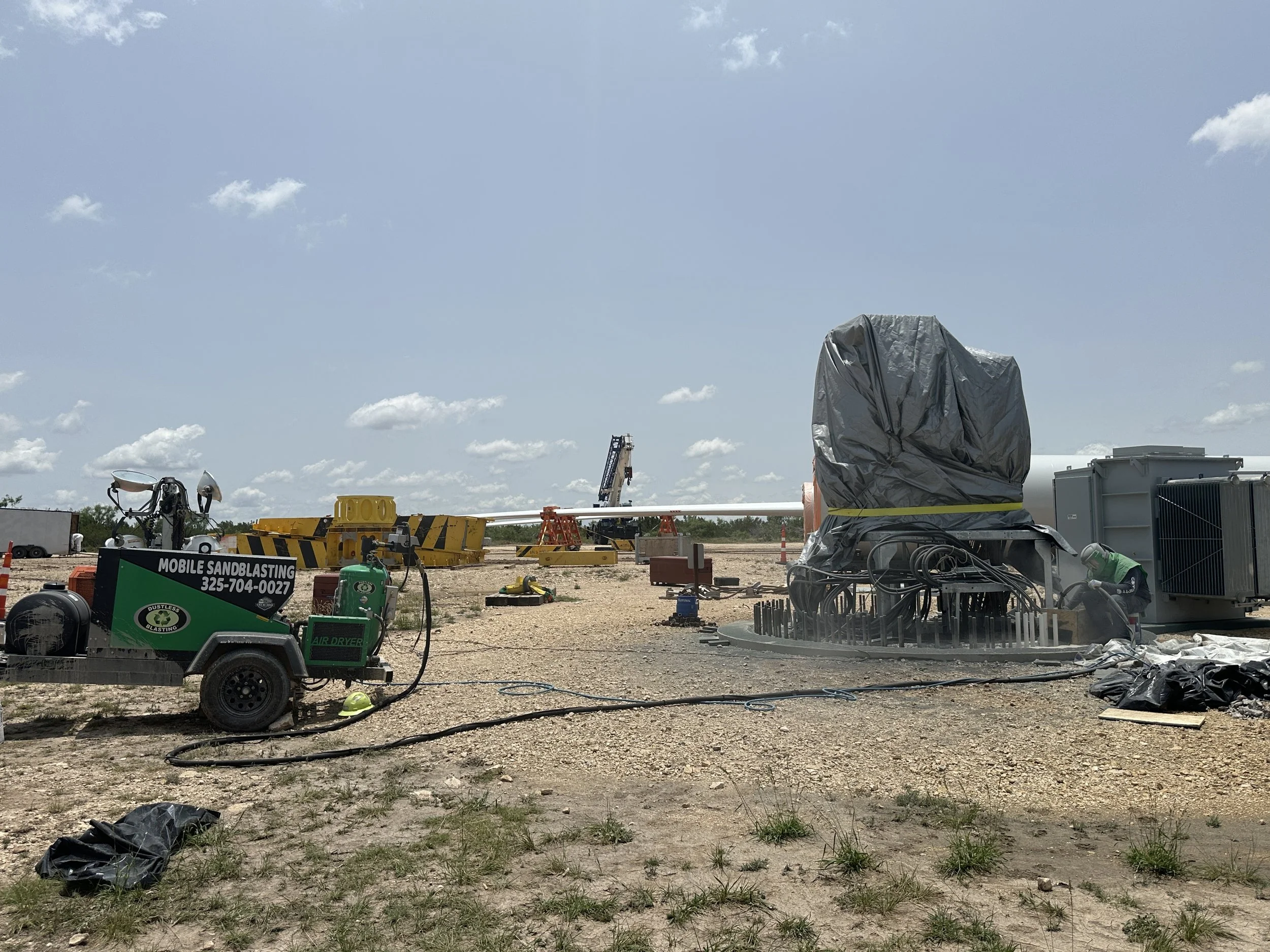
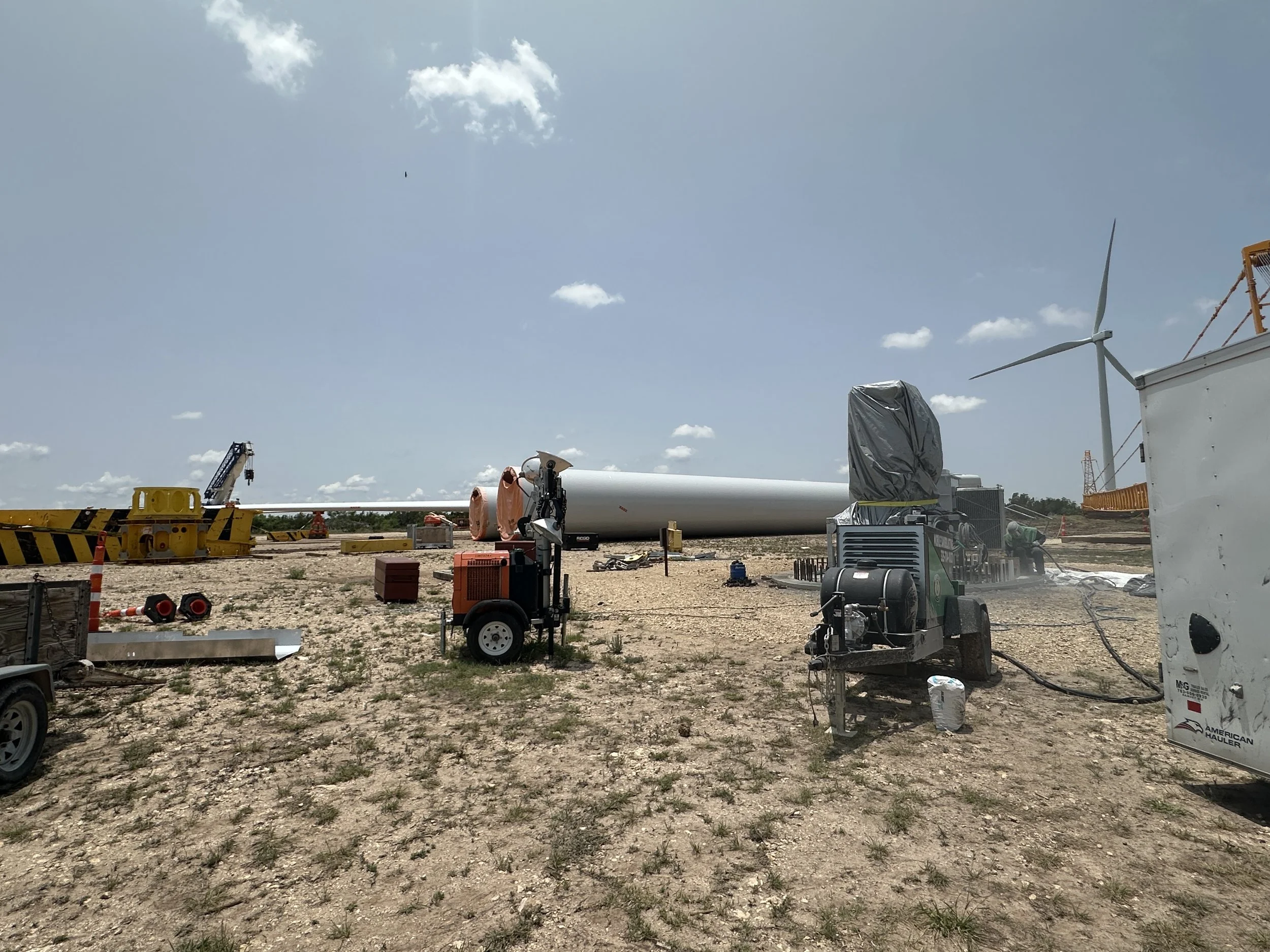
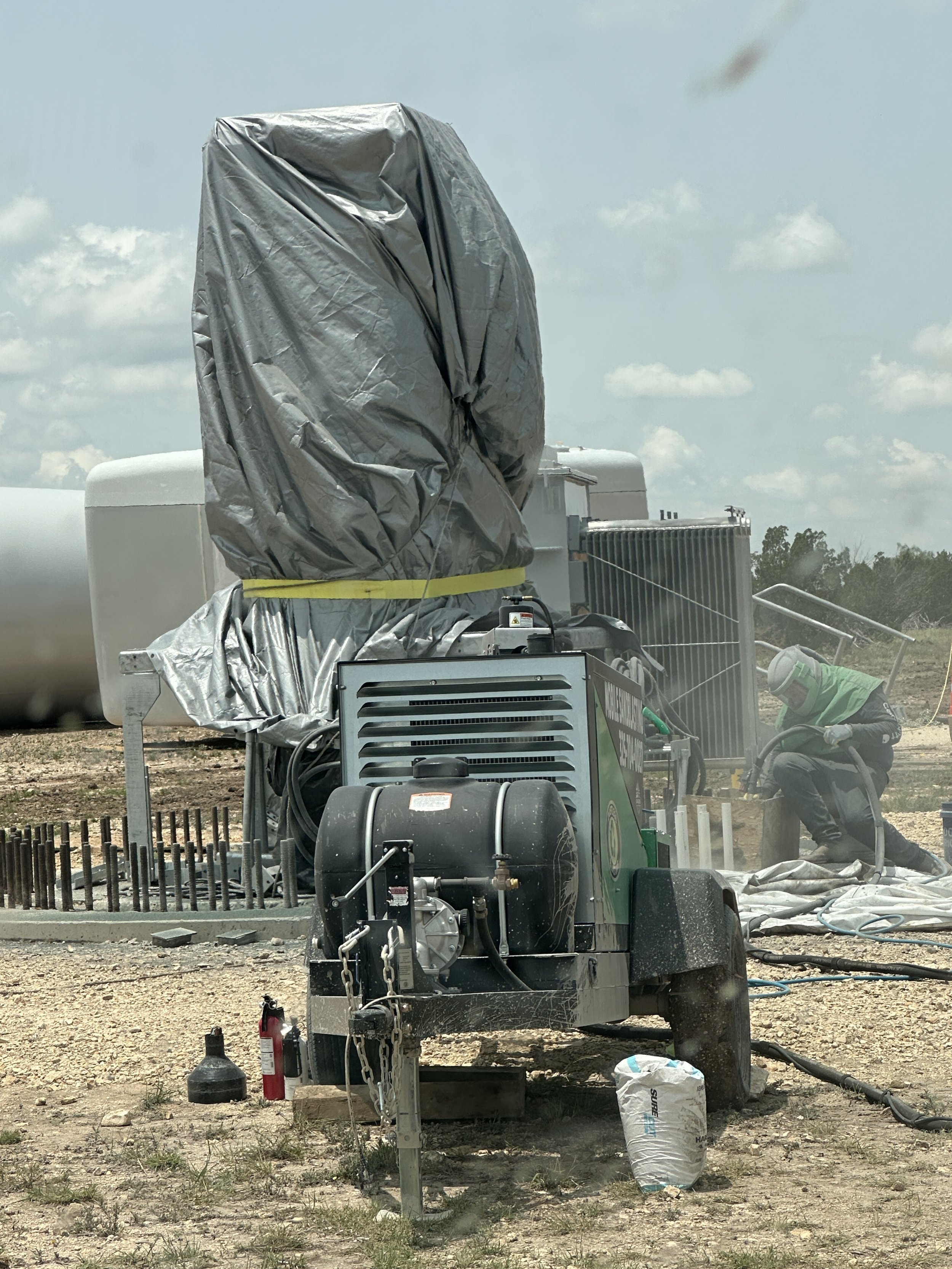
Working on a rebuild site like this requires a balance of power and precision. We used our DB350 XS trailer to handle the heavy-duty abrasive needed to chew through industrial-grade concrete.
Controlled Depth: We had to blast deep enough to expose the aggregate without fracturing the structural integrity of the pad or damaging the embedded rebar.
Surface Uniformity: We ensured the entire mounting surface had a consistent, rough profile (similar to heavy-grit sandpaper) so the new pour would bond evenly across the entire base.
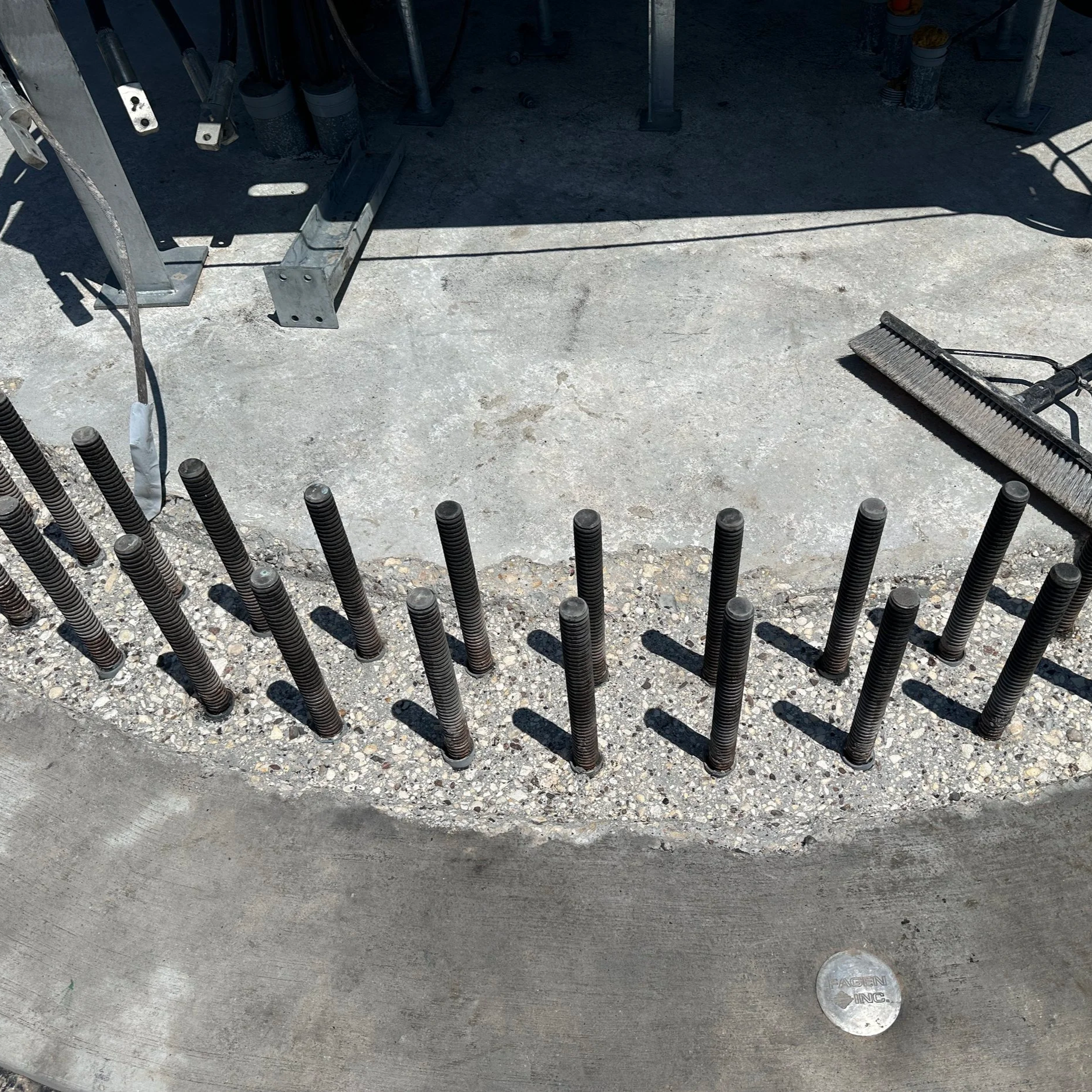
After
Why the Foundation Matters
In the energy sector, the foundation is everything. By exposing the aggregate correctly, we provided the engineers with the "mechanical bond" necessary to pour a new leveling layer that will hold the replacement turbine steady for the next 20+ years.
Whether it's recovering from a disaster in the wind fields or prepping a classic car chassis in the shop, we understand the science of how things stick. At Can Be Done Blasting, we don't just clean surfaces—we prepare them for what comes next.